Taotao gi kanton tåsi

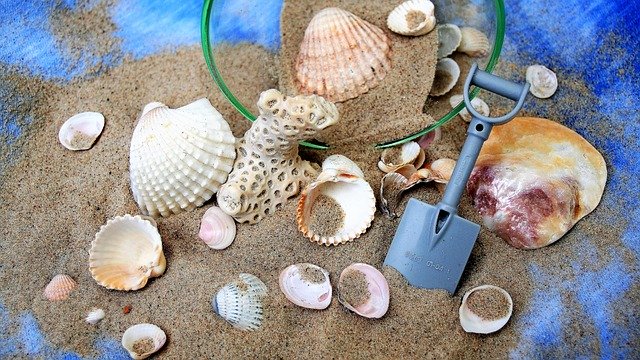
A few weeks ago for Chamoru class we were asked to write our own nursery rhyme. I always like to make up silly rhymes in English, so I took full advantage of the opportunity to try it out in Chamoru. The effect is something that is fun to say and very silly. I wanted to see if rhyming different words would help me remember them better, and I think it does help. I’ve modified my original verse to center around the theme of being at the beach. There’s a lot of repetition for drilling some basic grammar.

Continue reading “Taotao gi kanton tåsi”
How to Turn Statements into Questions in Chamorro – From “You Are Hungry” to “Are You Hungry?”

This lesson is part of the Beginner Chamorro learning path.

Ready to start asking questions in Chamoru? In this lesson, you’ll learn how to turn any simple sentence into a yes-or-no question — like changing “You are tired” into “Are you tired?”, or “They are teachers” into “Are they teachers? To make this transformation, we will be learning about the Question Word “Kao” and how it’s used in Chamorro. Happy studying!

Continue reading “How to Turn Statements into Questions in Chamorro – From “You Are Hungry” to “Are You Hungry?””

How to Say “I Am a Student” in Chamorro – Describing Who You Are

This lesson is part of the Beginner Chamorro learning path.

In this lesson, you’ll learn how to describe who you are in Chamorro using sentences like “I am a student,” “I am a teacher,” or “I am a woman.” These simple patterns help you talk about your profession, identity, and the roles you hold in everyday life—making them some of the most practical sentences to learn early on.This post includes example sentences in Chamorro, audio pronunciations, and a Quizlet deck for additional practice. Happy studying!

Continue reading “How to Say “I Am a Student” in Chamorro – Describing Who You Are”

Ti ya-hu amotsa, lao månnge’ i kamuti

Early in my language-learning journey I started keeping a journal written in Chamoru. As soon as I could form a basic sentence, I was trying to write about my day. In the first month my entries were often only a few lines, usually describing very basic parts of my day. Sentences like Mamokkat yu’ para i halom tåno’ (I walked to the forest) or Hu fåhan i mannok gi tenda (I bought the chicken at the store) dominated my journal entries. I still use very basic Chamoru in my journal entries (and still make many mistakes) but I’m learning how to use my basic grammar and vocabulary to write more. One exercise I’ve been enjoying is writing down my memories in Chamoru, particularly my memories about my grandmother. This particular memory is about breakfast time.

Continue reading “Ti ya-hu amotsa, lao månnge’ i kamuti”

How to Say “I’m Hungry” and “I’m Thirsty” in Chamorro – Start Describing Yourself

This lesson is part of the Beginner Chamorro learning path.

Pronouns become truly useful when you start building real sentences with them. A simple and practical place to begin is by describing yourself or others with phrases like I am hungry or You are tired. These everyday expressions are immediately useful in everyday exchanges and help you grow your vocabulary naturally.

These are the kinds of sentences you can use right away in real life—and they help you build vocabulary fast. In this lesson, we’ll focus on how to pair Yu’ type pronouns with adjectives to talk about feelings, conditions, and descriptions. This post includes lesson notes, example sentences with audio pronunciations, and a Quizlet deck for additional practice. Happy studying!

Continue reading “How to Say “I’m Hungry” and “I’m Thirsty” in Chamorro – Start Describing Yourself”