How to Say “Bring It On Your Way Here” in Chamorro – Advanced Use of Chamorro Location Words

Chamorro has general words for “here” and “there”, and we typically use them to describe where someone or something is located or headed. But we can also use these words to express doing an action on the way to a place, such as “Bring the medicine on your way here” or “Bring the fruit on your way to the party.” This is another pattern that adds subtle complexity in how we express ourselves in everyday conversation. In this post, we’ll start learning this pattern, but we’ll keep things simple by practicing with just two Chamorro words: “bring it on your way here” and “bring it on your way there.”

Un dångkulu na Si Yu’us ma’åse’ to our Aunty Faye Untalan for answering our questions about this language pattern, and also to our teacher Ray Barcinas for teaching us about this topic.

As always, this post includes example sentences in Chamorro, English translations, and Chamorro audio narrations by Jay Che’le. Happy studying!

Continue reading “How to Say “Bring It On Your Way Here” in Chamorro – Advanced Use of Chamorro Location Words”

Saying “There” in Chamorro: A Guide to Using Guatu

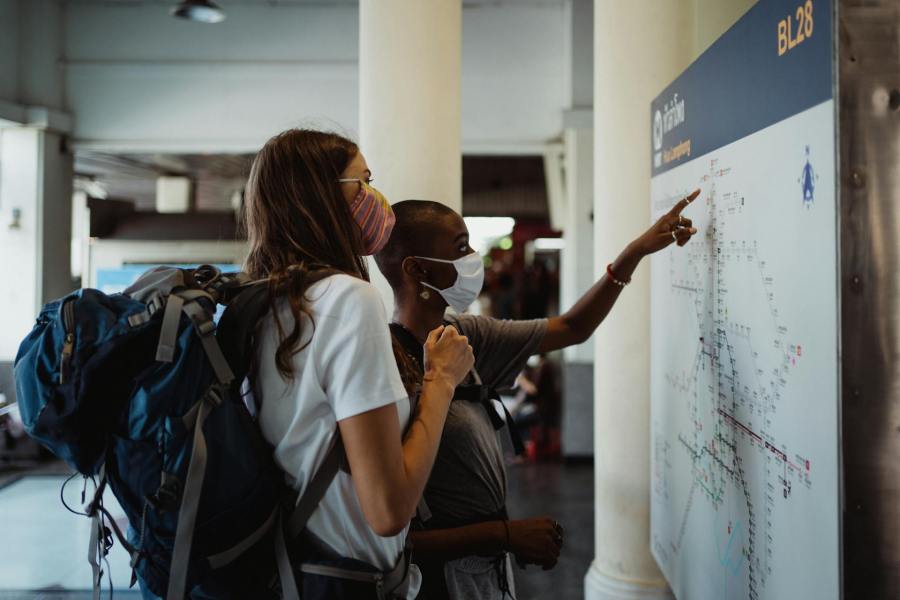
In this post, we’ll start practicing with Chamorro location words—starting with guatu, which means “there, in that direction” and is useful for when we want to talk about movement or action toward a place, person, or object. In this lesson we’ll focus on 9 common ways guatu is used, starting simple and expanding out to different variations. We’ve also included 40 sentence drills to help you get comfortable with using the patterns naturally in your own speech. To get the most out of this lesson, it is helpful to have familiarity with basic action sentences.

As always, this lesson has Chamorro sentence drills, English translations and Chamorro audio voiced by Jay Che’le, so you can hear the pronunciation as you practice. Happy studying!

Continue reading “Saying “There” in Chamorro: A Guide to Using Guatu”

Future Tense Shortcuts in Chamorro: A Quick Guide

When you listen to native speakers, have you ever heard them say really small words like po or bu, but couldn’t find them in the dictionaries or grammar books? These tiny words are examples of how native speakers often shorten future markers and pronouns, blending them together to speak more quickly and naturally.

I was recently reminded of how challenging these colloquial shortcuts are for learners, when Jay and I were talking to our måli’. We can hear these shortcuts everywhere in native speech, but it’s typically only the “full” forms of future tense statements that are taught in books and classroom environments. This is why these shortcuts can be challenging for learners to recognize. In this post, we’ll unpack these common shortcuts so you can better recognize and understand them in Chamorro songs and real conversations.

If you want to skip directly to the summary table of shortcuts, click here. Otherwise, click Continue Reading to start with a brief introduction to future markers in Chamorro. Happy studying!

Continue reading “Future Tense Shortcuts in Chamorro: A Quick Guide”

Everyday Speech: How to Say “Our Neighbor Totoro” in Chamorro

Sometimes when we talk about the people in our lives, we want to mention both their name and our relationship to them—like “My nephew Lathan” or “Our neighbor Totoro.” In Chamorro, there’s a specific way to express these kinds of phrases using the article as. In this post, we’ll practice this simple pattern that adds a subtle depth to everyday conversation. As always, you’ll find example sentences, English translations, and Chamorro audio narrations by Jay Che’le to guide your learning. Happy studying!

(Image Note: This is a Totoro-inspired AI illustration, generated for educational/non-commercial use on this blog).

Continue reading “Everyday Speech: How to Say “Our Neighbor Totoro” in Chamorro”

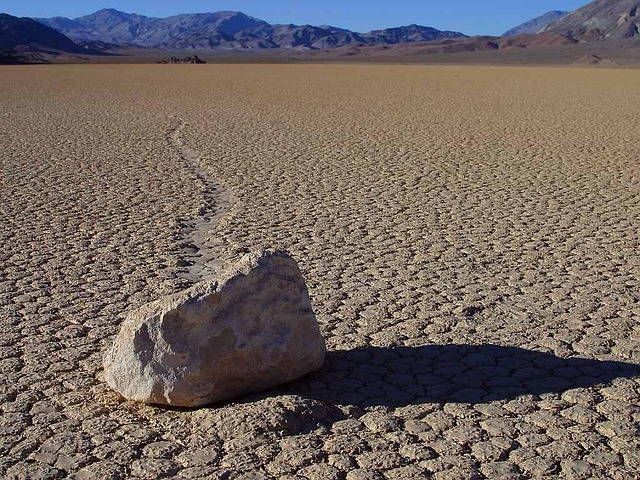
“The Rock Was Dragged”: Saying What Happened, Not Who Did It

Ever wanted to say something happened—like “The child was found”; “I was hugged”; or “The cooking pot was taken”—but got stuck because you didn’t know how to say it without saying who did it? You’re not alone! In this post, we’re learning how to talk about actions when we don’t include the doer. This is actually a simple but powerful pattern that brings greater flexibility to our speaking and is foundational for adding a layer of complexity to our Chamorro language patterns. In this lesson, we’ll practice some basic sentence patterns and start understanding how to use contextual clues for translating the tense of these sentences.

As always, this post includes explanatory notes, example sentences, Chamorro audio pronunciations by Jay Che’le and English translations to guide your learning. Happy studying!

Continue reading ““The Rock Was Dragged”: Saying What Happened, Not Who Did It”