How to Say “But” in Chamorro – “I’m not hungry, but I’m thirsty.”

This lesson is part of the Beginner Chamorro learning path.

Using lao is a simple way to start connecting ideas as you move beyond basic sentences. So far, you might say separate thoughts like “I am not hungry. I am thirsty.” With lao, you can combine them into a more complete idea: “I am not hungry, but I am thirsty.” In this lesson, we’ll practice combining basic sentences with lao to start extending our thoughts. Happy studying!

Continue reading “How to Say “But” in Chamorro – “I’m not hungry, but I’m thirsty.””


Keeping a Daily Journal in Chamoru

In a previous post I mentioned that I keep a daily journal written in Chamoru. Now I’ve hit a milestone: two months of journaling daily! Writing a journal entry in Chamoru every day has been so challenging, but also incredibly rewarding both personally and as a language learner. In this post I reflect on what I’ve learned and offer my thoughts on keeping a daily journal as a beginner.

Continue reading “Keeping a Daily Journal in Chamoru”

How to Say “Not” in Chamorro – From “I Am Thirsty” to “I Am Not Thirsty”

This lesson is part of the Beginner Chamorro learning path.

In past lessons, we’ve focused on how to describe people and things in a positive way — like “I am thirsty” or “The woman is a singer.” Now it’s time to flip that! In this lesson, you’ll learn how to say what you’re not — like “I’m not thirsty” or “The woman is not a singer.”To create these sentences, we’ll learn about the Negative Marker “Ti” and how to use it to make negative statements. This post includes lesson notes, example sentences in Chamorro, audio pronunciations and a Quizlet Deck for supplementary practice. Happy studying!

Continue reading “How to Say “Not” in Chamorro – From “I Am Thirsty” to “I Am Not Thirsty””

Taotao gi kanton tåsi

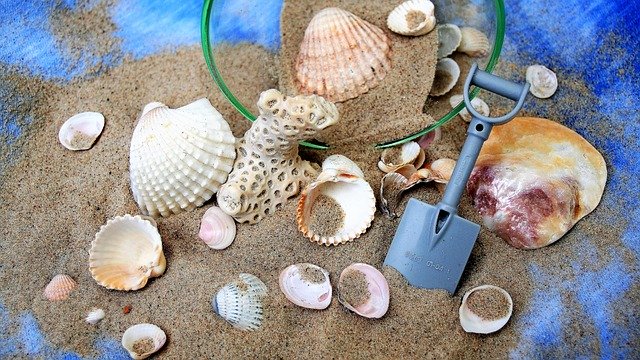
A few weeks ago for Chamoru class we were asked to write our own nursery rhyme. I always like to make up silly rhymes in English, so I took full advantage of the opportunity to try it out in Chamoru. The effect is something that is fun to say and very silly. I wanted to see if rhyming different words would help me remember them better, and I think it does help. I’ve modified my original verse to center around the theme of being at the beach. There’s a lot of repetition for drilling some basic grammar.

Continue reading “Taotao gi kanton tåsi”

How to Turn Statements into Questions in Chamorro – From “You Are Hungry” to “Are You Hungry?”

This lesson is part of the Beginner Chamorro learning path.

Ready to start asking questions in Chamoru? In this lesson, you’ll learn how to turn any simple sentence into a yes-or-no question — like changing “You are tired” into “Are you tired?”, or “They are teachers” into “Are they teachers? To make this transformation, we will be learning about the Question Word “Kao” and how it’s used in Chamorro. Happy studying!

Continue reading “How to Turn Statements into Questions in Chamorro – From “You Are Hungry” to “Are You Hungry?””