A few weeks back our practice group listened to the song “Guam Bomb” by KC DeLeon Guererro, and here are the lyrics we transcribed with the English translation. In this particular song, we are reminded in a humorous way of the benefits of owning an older car, even if it isn’t the prettiest. 🙂
taitai mas
Legend: The Story of Alupang Rock on Guam
Here is the legend of Alupang Rock, written by Simon Camacho. We have been reading and translating Chamorro stories during one of our practice groups, and we did this one a couple months back. The Chamorro text, a Chamorro audio narration by Jay Che’le, and an English translation are in this post. The original illustrations were done by Rogelio G. Faustino, but I’ve refreshed it with this illustration generated by the Midjourney art AI. Happy reading!

Talking About Actions Without Objects in Chamorro – Introduction to Intransitive Verbs and Affixes
This lesson is part of the Beginner Chamorro learning path.
In this lesson, we’ll begin learning how to talk about actions that aren’t done to anyone or anything else—actions like standing, walking, or dancing. These are everyday activities that people simply do. To use these action words in Chamorro sentences, the word often needs to change form first. We’ll take a closer look at how these changes work and why they matter. Understanding these patterns will help you start forming action sentences with these words and will prepare you for many of the sentence patterns you’ll encounter later in the language. Happy studying!
taitai mås
How to Understand Longer Thoughts in Chamorro
Do you ever feel like your comprehension drops off when confronted with a long stream of Chamorro? At the end of last year, this would happen to me all the time – when a speaker would start talking to me, I felt like I could only grab the first 5-6 words of what they were saying before I’d get lost in a jumble of Chamorro that I couldn’t process. The same thing happened with reading; all those really long sentences felt impossible to process or took egregious amounts of time to translate, and I’d always feel discouraged. Since January I’ve been using a method called chunking, which has made it easier for me to follow and comprehend more long-form Chamorro. In this post I will talk about how I use this method to learn Chamorro.
taitai mås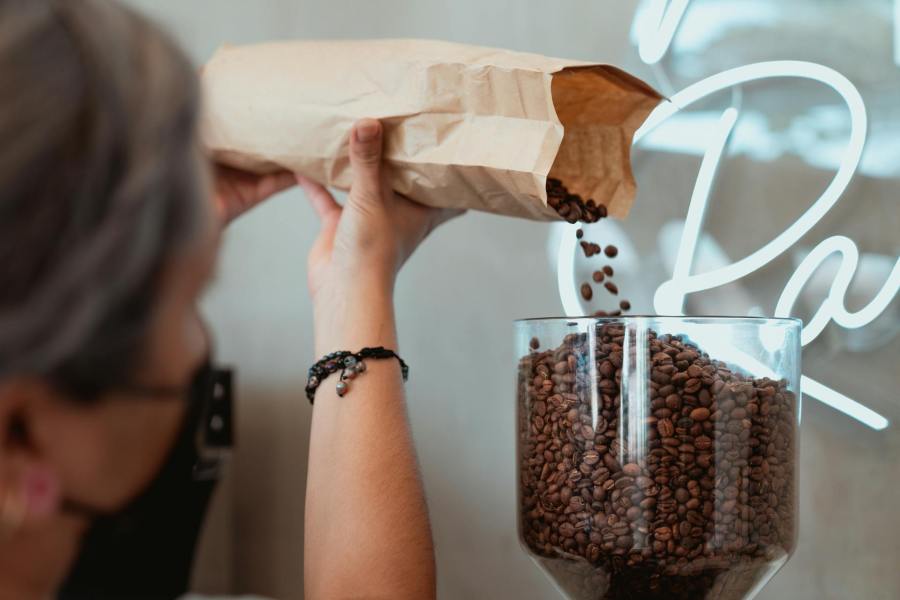
How to Say “I Can Make the Coffee” in Chamorro – Talking About What We Can and Can’t Do With Transitive Verbs
This lesson is part of the Beginner Chamorro learning path.
Being able to say what someone can do is an important step toward more natural conversation. In this lesson, you’ll learn how to use siña to talk about ability in Chamorro. We’ll practice building sentences such as “I can drink the coffee” and “You can’t borrow the car” using clear patterns you can reuse in everyday situations. Happy studying!
Continue reading “How to Say “I Can Make the Coffee” in Chamorro – Talking About What We Can and Can’t Do With Transitive Verbs”
