This post includes Chamorro lyrics and an English translation for the song Korason, written by Jesse Chong and sung by Kelsey Duenas. Happy listening!
Continue reading “Korason sung by Kelsey Duenas – Chamorro Lyrics and English Translation”Year: 2021

How to Say “There Is” and “There Isn’t” in Chamorro – Talking About Existence
This lesson is part of the Beginner Chamorro learning path.
In this first lesson, we’ll learn how to say whether something exists or not — basically, how to say “there is” or “there isn’t” in Chamorro. We’ll use guaha and tåya’ to talk about things in a clear, everyday way, like “There is a car” or “There is no car.” Happy studying!
Continue reading “How to Say “There Is” and “There Isn’t” in Chamorro – Talking About Existence”
Legend: The Girl Who Slept With Her Wet Hair
Growing up, my grandmother always warned me against going to sleep with wet hair because if I did, I would wake up with crooked fingers or a crooked neck. It wasn’t until I started learning Chamorro and reading our legends in our language that I realized there is an entire legend based on this! Here is that legend, the version collected by Carmen C. Blas and narrated by Jay Che’le.
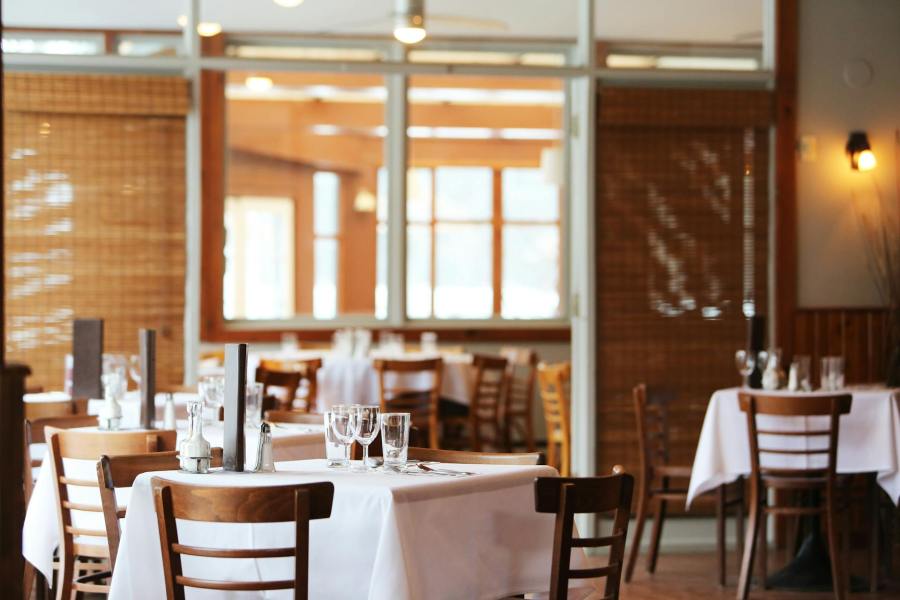
How to Say “I Drank the Coffee at the Restaurant” in Chamorro – Adding Places to Your Actions
This lesson is part of the Beginner Chamorro learning path.
Once you can talk about actions, the next step is learning how to say where those actions happen. In this lesson, we’ll practice expanding our sentences by adding locations, allowing us to say things like “I bought it at the store” or “I’m picking up the garbage at the beach.” These small additions make your sentences more complete and help you describe everyday situations more clearly. Through examples and guided practice, you’ll learn simple patterns for adding locations to your Chamorro sentences. Happy studying!
Continue reading “How to Say “I Drank the Coffee at the Restaurant” in Chamorro – Adding Places to Your Actions”Kåntan Chamoru: Dispensa Yu’ Palao’an Sa’ Ti Guahu Para Hågu
This post includes Chamorro lyrics and an English translation for the song Dispensa Yu’ Palao’an Sa’ Ti Guahu Para Hågu by Ben De Leon Guerrero. Happy listening!
Continue reading “Kåntan Chamoru: Dispensa Yu’ Palao’an Sa’ Ti Guahu Para Hågu” Lengguahi-ta