This lesson is part of the Beginner Chamorro learning path.
Once you can talk about actions, the next step is learning how to say where those actions happen. In this lesson, we’ll practice expanding our sentences by adding locations, allowing us to say things like “I bought it at the store” or “I’m picking up the garbage at the beach.” These small additions make your sentences more complete and help you describe everyday situations more clearly. Through examples and guided practice, you’ll learn simple patterns for adding locations to your Chamorro sentences. Happy studying!
Contents
- Introduction to Adding Locations in Chamorro
- Adding Locations
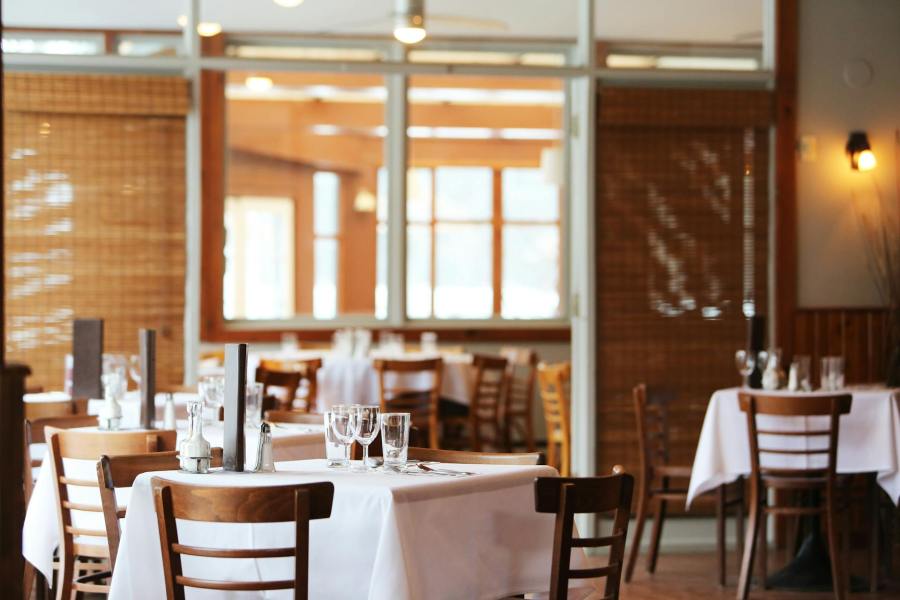
- How to Say “I drank the coffee at the restaurant”
- Summary
- 📝 Study Resource: Practice on Quizlet!
- ➡️ Keep Learning! Continue to the Next Lesson
Introduction to Adding Locations in Chamorro
When we want to add locations to our sentences in Chamorro, we need to use Location Markers. In this lesson, we will learn how to use two location markers: Gi and Giya:
- The Location Marker “Gi” is used for general locations, such as the store, the village, the house, or the school.
- The Location Marker “Giya” is used for proper place names, such as the names of cities, states, towns, villages, countries, or islands. We would use giya with places such as Seattle, Oregon, California or Canada.
Throughout the rest of the lesson, we’ll practice using these location markers. We’ll start by building the core patterns and then use them to expand our sentences.
Adding Locations
Before we start forming full sentences, we’ll practice making the core patterns with “gi” and “giya”.
General Locations with “Gi”
If we want to say things like “I’m drinking coffee at the restaurant” or “I’m grilling fish at the beach“, these are examples of including general locations in our sentences.
To add these general locations in Chamorro, we use Location Marker “Gi” in front of the location.
Here is the full pattern:
| gi + general location |
Now we’ll practice making some phrases with “gi” and general locations in the table below:
| Chamorro | English |
|---|---|
| gi sengsong | at the village |
| gi gima’ | at the house |
| gi gima’ Yu’os | at the Church |
| gi eskuela | at the school |
| gi fañochuyan | at the restaurant |
🗣️Vowel Harmony Applies: When we use the Location Marker “Gi”, the word that comes right after “gi” must be transformed using vowel harmony rules. That’s why guma’ becomes gi gima’ and songsong becomes gi sengsong.
In the next section, we’ll learn how to add proper place names to our sentences.
Specific Locations With “Giya”
What if we want to say things like “I’m barbequing in Inalåhan” or “I’m drinking coffee in Portland“? In these sentences, we are adding proper place names, which includes the names of villages, towns, cities, states, and countries.
Adding proper place names to our sentences needs the Location Marker “Giya” in front of our place name.
Here’s the full pattern:
| giya + proper place name |
To practice, let’s try out some basic drills in the table below:
| Chamorro | English |
|---|---|
| giya Portland | in Portland |
| giya Seattle | in Seattle |
| giya Guåhan | in Guam |
| giya Inalåhan | in Inarahan |
| giya California | in California |
In the next section, we’ll start using these phrases in complete sentences.
How to Say “I drank the coffee at the restaurant”
If we want to use locations in our sentences, we can put gi + Location or giya + Location at the end of our sentences.
Here is the full pattern:
| Hu Type Pronoun + Transitive Verb + i + Object + [gi / giya + Location] |
Now let’s practice with some example sentences in the table below. We’ll be practicing with both past tense and present tense sentences:
| Chamorro | English |
|---|---|
| Hu gimen i kafe gi fañochuyan. | I drank the coffee at the restaurant. |
| Hu fåfåhan i nuebu na magågu gi tenda. | I am buying the new clothes at the store. |
| En fa’tinas i kek gi kusina. | You all made the cake in the kitchen. |
| En kåkånno’ i dangkolo’ na guihan gi gipot. | You are all eating the big fish at the party. |
| Ha bålle i satge gi kuattu. | He swept the floor in the room. |
| Ha li’e’ i gefpå’go na palao’an giya Talofofo. | She saw the beautiful woman in Talofofo. |
| Ta yúyute’ i sepbla gi sagan basula. | We are throwing away the leftovers in the garbage can. |
| Ta kákatga i basula gi kanton tåsi. | We are picking up the garbage at the beach. |
| Un go’te i mirenda gi sagan mubi. | You held the snacks at the movie. |
| Un dódopbla i gasgas na magågu gi mama’gasiyan. | You are folding the clean clothing at the laundromat. |
| Ma dingu yo’ giya Sedona. | They left me in Sedona. |
| Ma supok i tu’åya gi hanom. | They submerged the towel in the water. |
| In nisisita i techa gi lisåyu. | We need the prayer leader at the rosary. |
| In alíligao i yabi gi sanhiyong. | We are looking for the key outside. |
Summary
In this lesson we learned how to add locations to our sentences in Chamorro by using the Location Marker “Gi” and The Location Marker “Giya”. We practice the core patterns with these location markers and used them in complete sentences.
📝 Study Resource: Practice on Quizlet!
If you want additional practice with the examples in this lesson, use this Quizlet Flashcard Deck as a supplementary study tool.
➡️ Keep Learning! Continue to the Next Lesson
When you are ready, click the link below to continue to the next lesson, where you’ll learn how to tell others what to do in Chamorro:
 Lengguahi-ta
Pingback: Basic Actions Part 10: Past Tense – “I stayed” – Lengguahi-ta
Pingback: Basic Actions Part 13: Commands – “Stay” – Lengguahi-ta
Pingback: Basic Existence Part 1: There is / There is no – Lengguahi-ta
Pingback: Basic Actions Part 3: Making Present Tense Sentences in Chamorro with Transitive Verbs – “I am drinking the coffee.” – Lengguahi-ta
Pingback: Basic Actions Part 5: Making Commands in Chamorro With Transitive Verbs – “Drink the coffee.” – Lengguahi-ta
Pingback: How to Say “I Am Drinking The Coffee” in Chamorro – Talking in Present Tense With Transitive Verbs – Lengguahi-ta
Pingback: How to Say “Drink the Coffee” in Chamorro – Giving Commands With Transitive Verbs – Lengguahi-ta
Pingback: How to Say “I Can Stay” in Chamorro – Expressing Ability With Intransitive Verbs – Lengguahi-ta