Ever wanted to say something happened—like “The child was found”; “I was hugged”; or “The cooking pot was taken”—but got stuck because you didn’t know how to say it without saying who did it? You’re not alone! In this post, we’re learning how to talk about actions when we don’t include the doer. This is actually a simple but powerful pattern that brings greater flexibility to our speaking and is foundational for adding a layer of complexity to our Chamorro language patterns. In this lesson, we’ll practice some basic sentence patterns and start understanding how to use contextual clues for translating the tense of these sentences.
As always, this post includes explanatory notes, example sentences, Chamorro audio pronunciations by Jay Che’le and English translations to guide your learning. Happy studying!
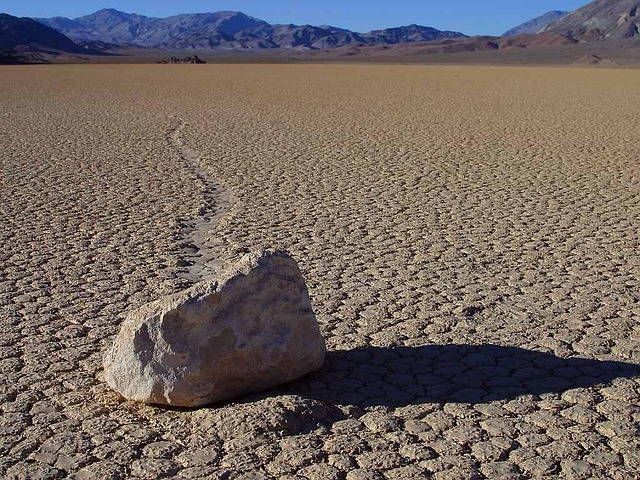
Continue reading ““The Rock Was Dragged”: Saying What Happened, Not Who Did It”
 Lengguahi-ta