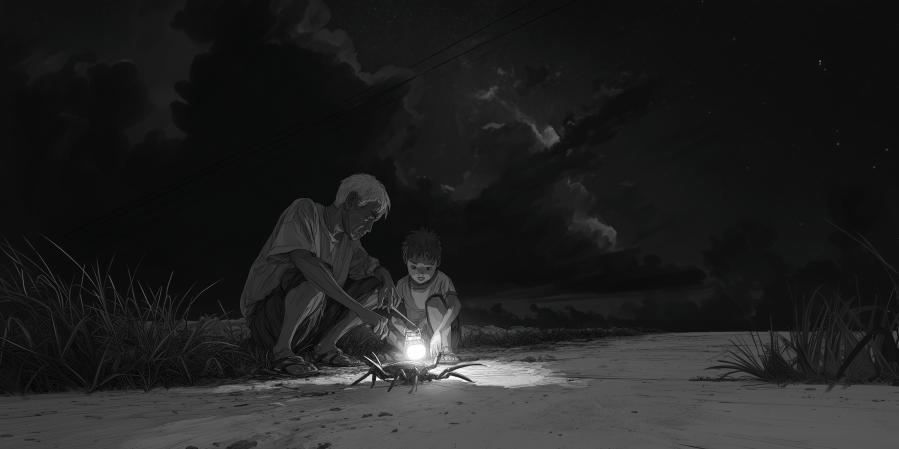
Searching for Crabs

The next story for our Saturday practice group is about a father and son, providing a warm narrative that frames the transmission of knowledge from one generation to the next. This will be one of the longer pieces that we’ve used for our group, and for good reason: we get to see both a small slice of the life led by the father-son pair as well as several sets of instructions that detail the fabrication and use of various types of traps and other implements for gathering crabs under different conditions. And on a more personal note, our friend Dabit will be facilitating several Saturday practice sessions in our stead while we take some time for a loss in our family.

As ever, in this post you’ll find the Chamorro text, an English translation, and an audio narration by Jay Che’le. Footnotes to follow. Happy reading!
Continue reading “Searching for Crabs”

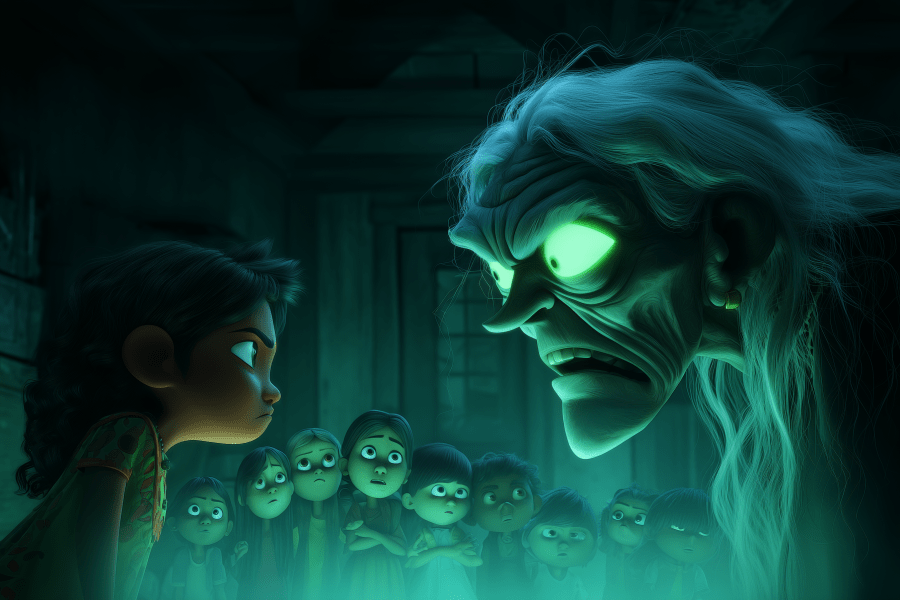
The Story of the Evil Old Woman

As we near the end of October, we’re fully into the fall here in Oregon. Days continue to shorten, leaves are transitioning through golden yellow and red hues, and the air has taken on a crisp chill. To mark the season, we’ll be reading a particularly spooky story in our Saturday practice this week. This story is about a large family who must contend with an unexpected threat. While mom and dad are away for several days on an errand, the eldest amongst eleven fulfills her duty in keeping everyone safe and ensuring their chores are done by bedtime.

In this post, you’ll find the Chamorro text, an English translation, language footnotes, and an audio narration by Jay Che’le. Happy reading!

Continue reading “The Story of the Evil Old Woman”

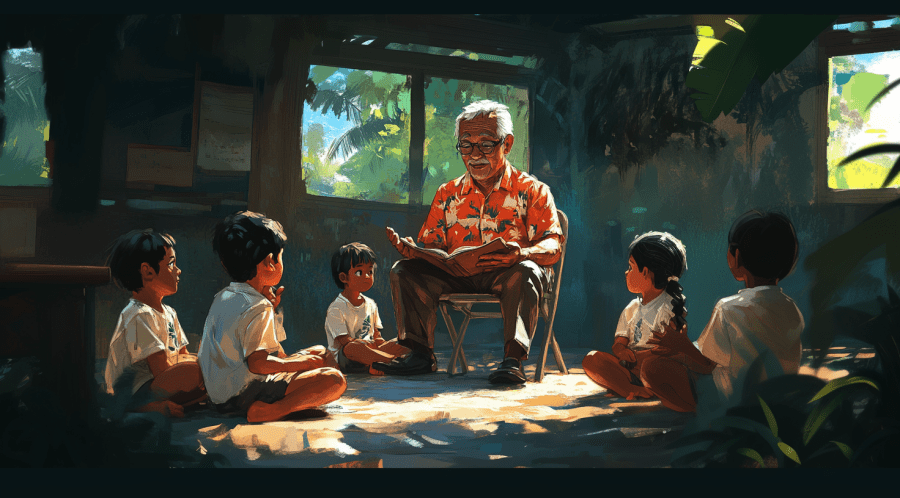
A Story About the Wisdom of the Elders

After several weeks of reading through an interview from the Directory of Traditional Healers & Medicinal Plants in the CNMI, our practice group will be reading a story this week from a section of Istreyas Mariånas: Chamorro (accessible via the Inetnun Kutturan Natibun Marianas). The story underscores the importance of helping those who have helped you, even if it isn’t in your own best interest. The author’s narrative style is vivid and conveys clearly his childhood memory of overhearing a conversation between adults and his later reflections in adulthood when he realizes its lessons later in life. In this post we have the Chamorro text, an English translation, and a Chamorro audio narration by Jay Che’le. Happy reading!

Continue reading “A Story About the Wisdom of the Elders”

How Customs Were

Our practice group recently voted on the kind of content that we’re interested in reading. Two themes came out on top: History and Culture, and this week’s story brings us a bit of both. It’s a short piece from the bilingual education programs of the Northern Marianas that gives a narrative account of Mr. Enrique N. Kisa’s reflections on the past and thoughts on changes he was seeing in the late 1970s. This post includes the Chamorro text, the English translation, and a Chamorro audio narration by Jay Che’le. Happy reading!

Continue reading “How Customs Were”

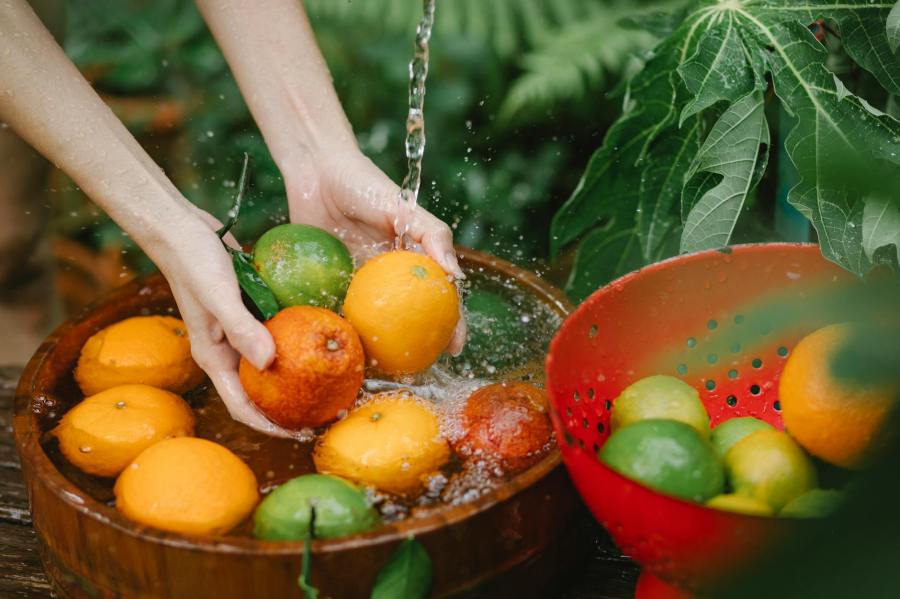
Cooking in Chamorro, Part 1 – 20 Words for Preparing Ingredients (Washing, Chopping & More)

Food and cooking is a huge part of our culture, and it’s also something that we often bring with us even when we are away from the Mariana Islands. In part 1 of this blog series, we will be learning 20 key words for food preparation. This includes washing and chopping food, and other common preparation steps such as peeling, grating or removing seeds. We will also use these words in simple phrases, many of which were found in the Revised and Updated Chamorro-English Dictionary from the CNMI. This post includes terms, definitions, example phrases, and audio pronunciations voiced by Jay Che’le. Happy studying!

Continue reading “Cooking in Chamorro, Part 1 – 20 Words for Preparing Ingredients (Washing, Chopping & More)”