How to Say “I Have a Car” in Chamorro – Talking About What We Have And Don’t Have

This lesson is part of the Beginner Chamorro learning path.

We talk about what we have every day—I have a meeting. I don’t have a question. Do you have a pen? In Chamorro, these everyday ideas follow a clear patter that’s straightforward and easy to apply. In this lesson, you’ll learn how to say what you have, what you don’t have, and how to ask others if they have something. Step by step, you’ll practice real-life examples using common topics like cars, phones, family members, food, drinks, and pets—so you can start using these patterns in natural conversation right away. As always, we’ve included Chamorro sentence drills, English translations and Chamorro audio by Jay Che’le to support your learning. Happy studying!

Continue reading “How to Say “I Have a Car” in Chamorro – Talking About What We Have And Don’t Have”

How to Say “Yours” and “Mine” in Chamorro – Talking In General About What Belongs to You

This lesson is part of the Beginner Chamorro learning path.

In this fifth and final beginner lesson on Chamorro classifiers, we’ll learn how to use iyo, which is used to express general ideas of what belongs to us, such as “mine” or “yours”. It’s also often used to indicate possession of non-Chamorro words. As always, this post includes explanatory notes, practice sentences, English translations, and Chamorro audio recordings by Jay Che’le to support your learning. Happy studying!

Continue reading “How to Say “Yours” and “Mine” in Chamorro – Talking In General About What Belongs to You”

How to Say “My Dog” in Chamorro – Talking About Your Pets

This lesson is part of the Beginner Chamorro learning path.

In this lesson, you’ll learn Chamorro patterns for talking about your animals and pets in Chamorro using the special classifier ga’-. By the end, you’ll be able to say phrases like “my dog,” “your cat,” and “Juan’s dog”, and be able to recognize these phrases when they are used in speech. As always, we’ve included Chamorro practice sentences, English translations, and Chamorro audio recordings by Jay Che’le to support your learning. Happy studying!

Continue reading “How to Say “My Dog” in Chamorro – Talking About Your Pets”

How to Say “My Water” in Chamorro – Talking About Your Beverages

This lesson is part of the Beginner Chamorro learning path.

In this lesson, you’ll learn how to talk about drinks that belong to you and others by using a special pattern that’s just for beverages. By the end of the lesson, you’ll be able to say phrases like “my coffee,” “Juan’s drink,” and “Maria’s water” with confidence, and start to recognize this pattern naturally in conversation or writing. As always, this post includes explanatory notes, practice sentences, English translations, and Chamorro audio recordings by Jay Che’le. Happy studying!

Continue reading “How to Say “My Water” in Chamorro – Talking About Your Beverages”

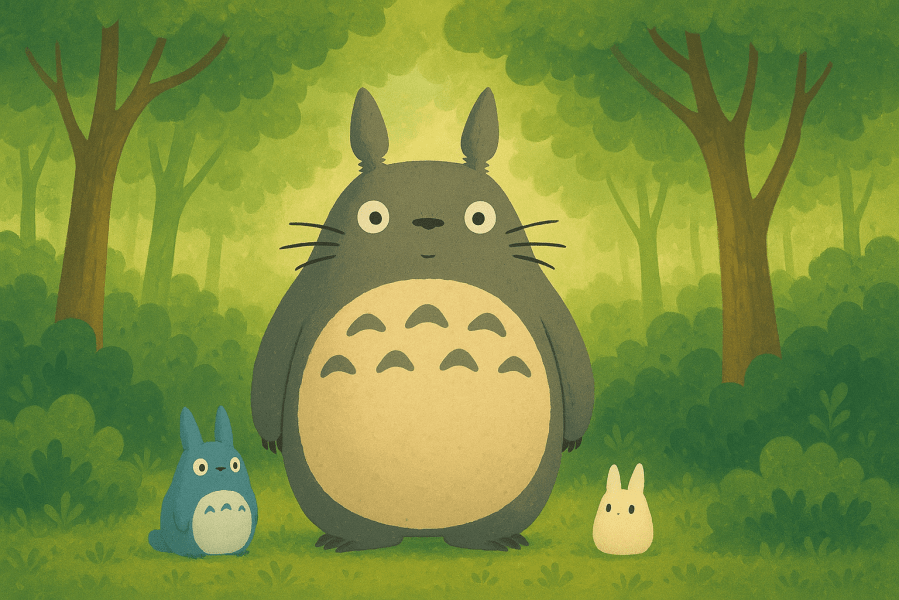
Everyday Speech: How to Say “Our Neighbor Totoro” in Chamorro

Sometimes when we talk about the people in our lives, we want to mention both their name and our relationship to them—like “My nephew Lathan” or “Our neighbor Totoro.” In Chamorro, there’s a specific way to express these kinds of phrases using the article as. In this post, we’ll practice this simple pattern that adds a subtle depth to everyday conversation. As always, you’ll find example sentences, English translations, and Chamorro audio narrations by Jay Che’le to guide your learning. Happy studying!

(Image Note: This is a Totoro-inspired AI illustration, generated for educational/non-commercial use on this blog).

Continue reading “Everyday Speech: How to Say “Our Neighbor Totoro” in Chamorro”