
How to Say “I Am a Tired Student” in Chamorro – Adding Details When Describing Yourself and Others

In this lesson, we’re going one step further in how we describe people and things in Chamorro. So far, we’ve practiced sentences like “The student is tired” — where the description and the noun are separate. Now, we’ll learn how to combine descriptions and nouns to create phrases like “tired student” or “happy child.” To do this, we’ll use a small word called “na”, which acts like a connector or linker. Once we’ve learned how to build these descriptive phrases, we’ll put them into full sentences to talk about ourselves and others — like “I am a tired student.”

This post includes lesson notes, practice drills with the Linker “na”, example sentences, and a Quizlet Deck for additional practice. Happy studying!

Continue reading “How to Say “I Am a Tired Student” in Chamorro – Adding Details When Describing Yourself and Others”
Biba Mes Lepblo 2021

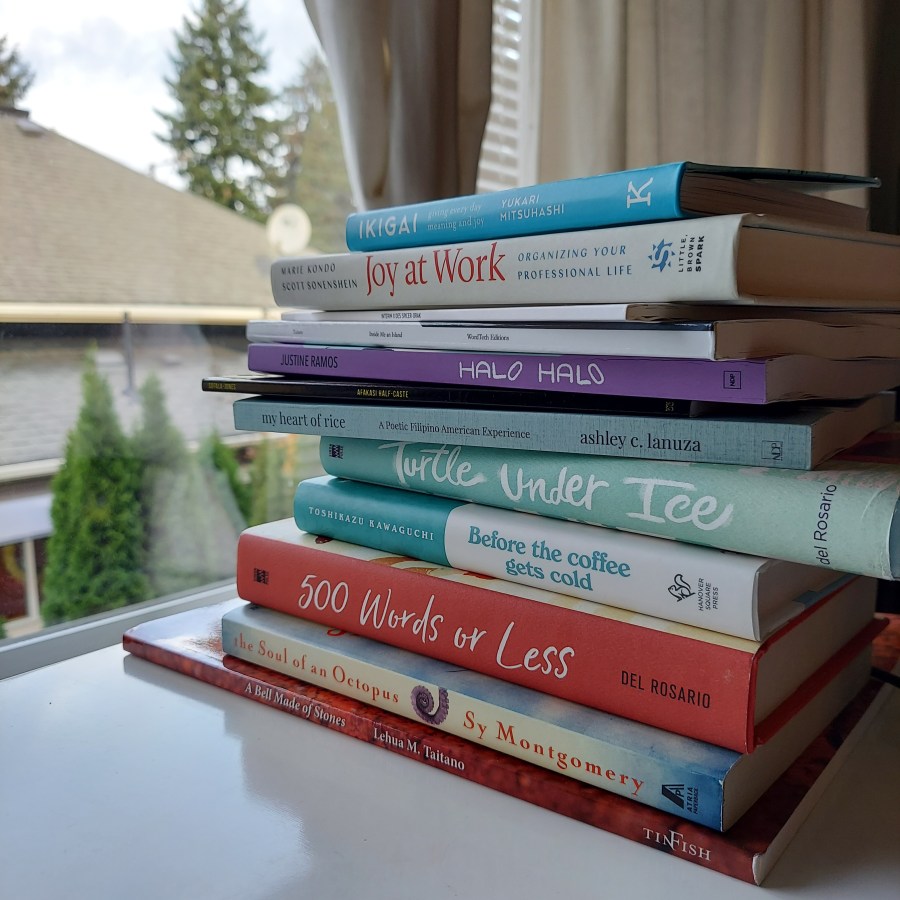
Kao un tungo’ na Mes Lepblo på’go na mes? Achokka’ gof ya-hu manaitai, ti hu tungo’ este asta ki manli’e’ yo’ post gi Bookstagram. Gi minigåhet, ti siña hu hasso todudu na silebrasion siha. Guaha silebrasion siha pot kada mes, kada simåna, yan kada diha buente! Lao annai manunungo’ yo’ nuebu na silebrasion lepblo, malago’ yo’ sumaonao an siña yo’. Achokka’ uttimo na simåna este gi October (hunggan, gof ñateng na taotao yo’) nihi ta silebra Mes Lepblo gi lengguahen Chamoru!

Continue reading “Biba Mes Lepblo 2021”

Håfa i mas ya-mu na klasen fina’mames?

Mannge’ yu’ para inetnon praktika gi Såbalu. Hu tuge’ i memorihas-hu siha yan nengkånno gi kotturå-ta. Otro na taotao ha faisen yu’, “Håfa mås ya-mu na klasen nengkånno gi kotturå-ta?” Gof mappot i finaisen este sa’ guaha meggai mångnge’ na nengkånno gi kottura! Lao, Rosketti i mas ya-hu na fina’mames.

Continue reading “Håfa i mas ya-mu na klasen fina’mames?”

Strategies From Polyglots Applied to Chamoru

For the past month or so I’ve been watching videos from Polyglots to learn what makes them successful at learning so many languages. I’ve put together a list of strategies and videos from a few Polyglots, with my own thoughts about how to apply their strategies for learning Chamoru. These are the strategies I think will be most helpful for me, as a learner who lives in the states without regular access to native speakers.

Continue reading “Strategies From Polyglots Applied to Chamoru”

Håfa adai Grandma!

Mangge’ yu’ katta para nanå-hu biha gi ma’posña na simåna. Hu tuge’ este para klås fino’ Chamoru, ya gof ya-hu este na tarehan guma’. Mahålang yu’ as nanå-hu biha, kada diha. Todu i tiempo. Ha na’puti i finatai-ña i korason-hu. Annai lå’la’ i nanå-hu biha, ha tuge’i yo’ katta siha. Magof yu’ sa’ hu tuge’ este para nana-hu biha. Gof espesiat i este para guahu sa’ i katta gi fino’ Chamoru.

Continue reading “Håfa adai Grandma!”