Our practice group picked this love song for ear-training practice this past Saturday, and we had so much fun transcribing it together. This song is a good pace, neither too fast nor too slow, so it’s great practice for beginners. It was a really great practice session this week, as we have all come a long way in our listening comprehension. In this post, we have the Chamorro lyrics and English translation for the song Guinaiya-mu, sung by Daniel DeLeon Guererro, which is a cover of the English song “Carrying Your Love”. Happy listening!
Continue reading “Guinaiya-mu by Daniel De Leon Guerrero – Chamorro Lyrics and English Translation”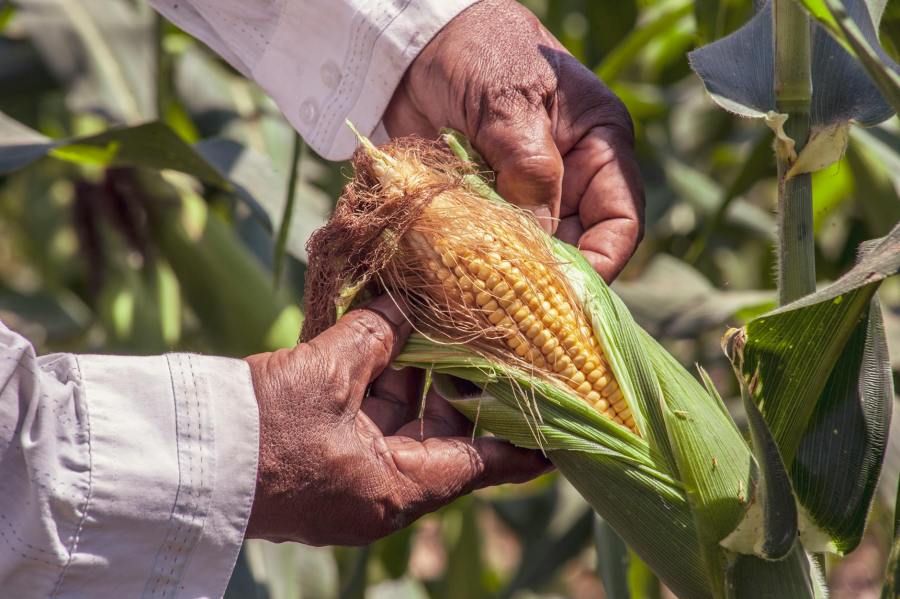
Chamorro Corn Dishes
Corn is also a traditional staple of Chamorro households, brought to our islands from Mexico. In this post, we will read a short selection about corn in the Mariana Islands and four recipes for tortillas, pudding, porridge, and corn broth. This selection comes from the book Manmannge’ Na Nengkanno’ I Manchamorro Yan Taimanu Manmafa’tinas-niha written by Carmen C. Blas, which I found in the UOG Archives and Digital Collections website. This post includes the Chamorro text, an English translation, and a Chamorro audio narration by Jay Che’le. Happy reading!
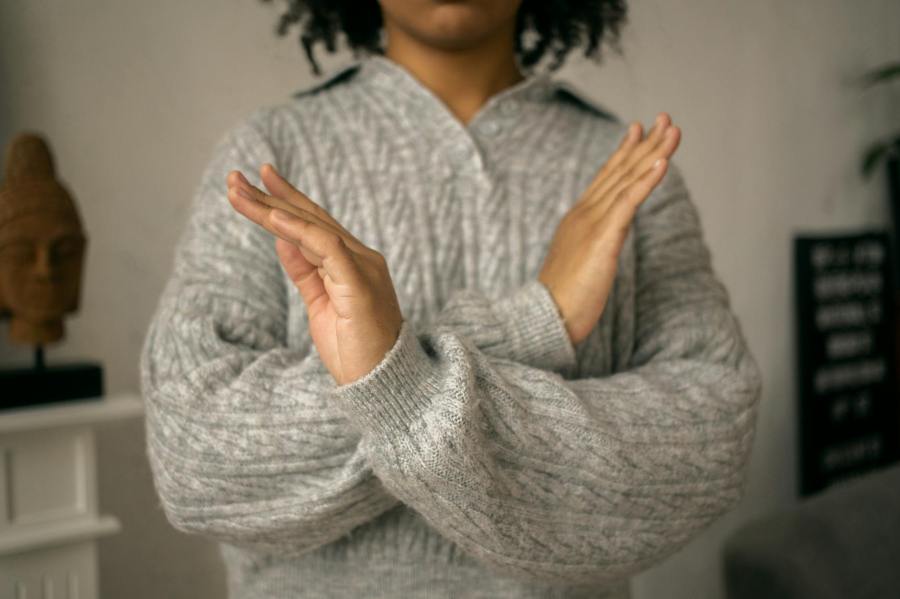
How to Say “No” in Chamorro – 4 Key Forms You Should Know
One of the first words we learn in Chamorro is åhe’, which means “no.” But did you know that there are different ways to say “no” in our language? And depending on the context, some forms of “no” are considered more rude or polite than others in spoken Chamorro. In this post, we will learn four key ways to say “no” in Chamorro, and the appropriate contexts for each. Un dångkulo na si Yu’os ma’åse to native speaker Ray “Mahettok” Barcinas for providing more in-depth explainations to our learning group on this topic. This post includes 22 question and answer drills with audio pronunciations voiced by Jay Che’le. Happy studying!
Continue reading “How to Say “No” in Chamorro – 4 Key Forms You Should Know”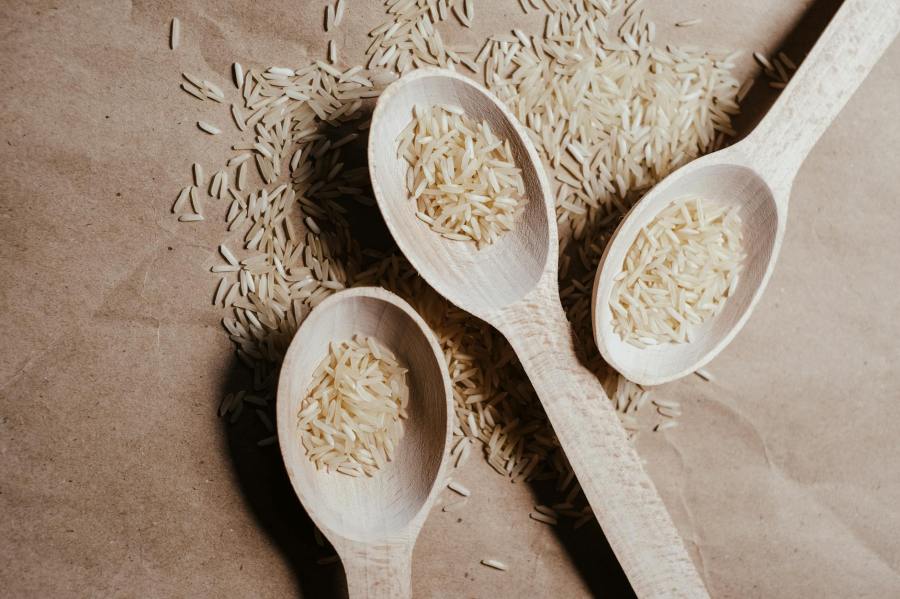
Chamorro Rice Dishes
Rice is usually a staple in Chamorro kitchens, both as part of our daily meals and also for special occasions. In this post we will be learning about rice in Chamorro, including three short recipes for making white rice, red rice, and potu, which is a steamed rice cake. These selections are from a book about Chamorro food written by Carmen C. Blas, which I found in the UOG Digital Archives and Exhibitions website. This post includes a Chamorro audio narration by Jay Che’le, the Chamorro text, and an English translation. Happy reading!
(UPDATED 1-18-25: Added explanatory notes from our morning practice group discussion)

Sweet Pumpkin Porridge
Did you ever eat alåguan growing up? I never heard this term in my childhood, but hot rice or wheat porridge was a common breakfast food (and comfort food!) for me. On a couple of occasions my mother cooked me champulådu (rice porridge with chocolate), but I didn’t like it as much as plain porridge. When I mentioned the word champulådu to Jay’s mom, she had never heard of it. But once I explained the dish, she immediately said, “Oh, we call that alåguan.” While champulådu comes from a Mexican dish called champurrado, alåguan is a more general term. So to kick off our morning practice group for the new year, here is a cozy story in Chamorro that centers around pumpkin porridge, which I found in the UOG Digital Archives and Exhibitions site. This post incudes the Chamorro text, a Chamorro audio narration by Jay Che’le, and an English translation. Happy reading!
Updated 1-13-2025: Added a Chamorro cooking vocabulary worksheet for practicing new words from the story. Un dångkulo na si Yu’os ma’åse to my fellow learner for putting this learning resource together and sharing it with everyone!

