What’s the Deal with “Hit” in Chamorro? – When Colloquial Speech Doesn’t Follow the Rules

Prefer to listen? Hear this essay narrated below on Spotify:

When I started learning Chamorro, I quickly realized that knowing the literal meaning of words did not guarantee that I would understand what was actually being communicated. One of the phrases that taught me this was Ågang hit – which I first heard in conversation with an aunty or uncle. They were saying “Call me”, but with hit (“us”) instead of yu’ (“me”). At the time it really confused me because it didn’t match the grammar rules I was taught. But now, with five additional years of language exposure and a revelation from a certain British baking show, I understand this Chamorro speech pattern in a different way. In this post, I’m going to explore this phenomenon in spoken Chamorro – when hit is switched for yu’ – and how I’ve come to a new understanding of its function in the language.

Continue reading “What’s the Deal with “Hit” in Chamorro? – When Colloquial Speech Doesn’t Follow the Rules”
The Heat of the Road: Exploring Spiritual Energy and Sickness in Chamorro Life

Prefer to listen? Hear this essay narrated below on Spotify:

For the past two weeks, our Saturday morning practice group has been reading an interview with the suruhåna Tan Maria Palacios Crisostomo, featured in the Directory of Traditional Healers & Medicinal Plants in the CNMI. I chose this text because she discusses a concept called Minaipen Chålan—literally “the heat of the road,” but more accurately describing the harmful spiritual energy that one can pick up while traveling.

Since I would need Tan Maria’s written permission to share the full interview here, I instead wanted to write about the rich discussion her words inspired in our group. In this post, I’ll share some of our reflections on how heat, spiritual energy, and spiritual sickness are understood in Chamorro culture, as well as the practices we engage in—or have seen in our families and communities—around these ideas.

Continue reading “The Heat of the Road: Exploring Spiritual Energy and Sickness in Chamorro Life”

Tiempon Dinekko’

Ekungok i post gi Chamoru.

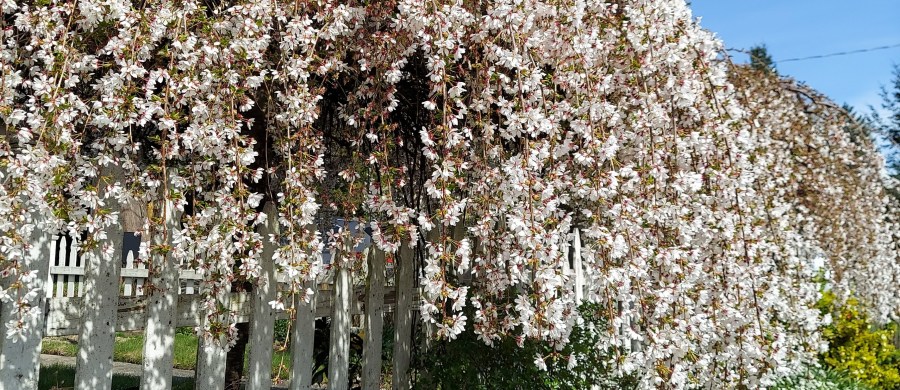
Måtto i *tiempon dinekko’ guini na lugåt ya mamflores i trongkon håyu siha. Mamflores todudu 🙂 Hagas ha’ måkpo i tiempon sakura desde ki ma’pos na mes. Kadada’ i lina’la’-ñiha i flores sakura siha! Lao guaguaha ha’ i flores håyun ga’lågu siha ya manhuhuyong i otro flores yan tinanom. Ya bula kåntan paluma gi aire.

taitai mås

Kåntan Paluma

Ekungok i tinige’-hu gi Chamoru.

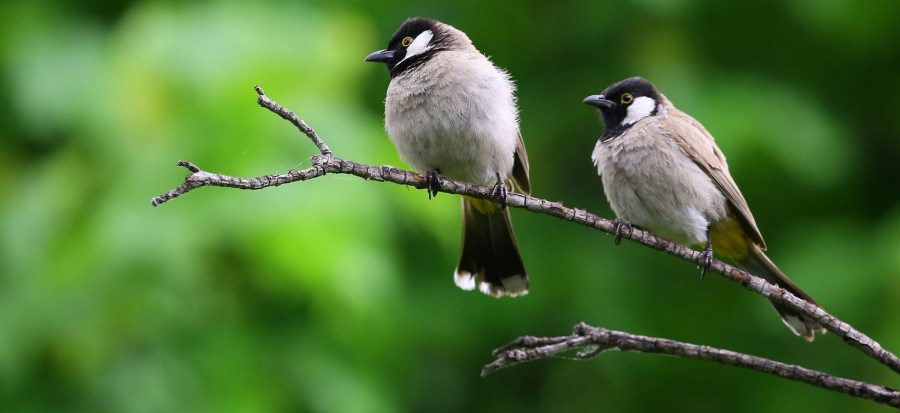
Dikike’ na post este. På’go na ogga’an makmåta yo’ gof taftaf. Sen taftaf. Mama’tinas yo’ kafe pues matå’chong yo’ gi fi’on i bentåna gi halom i sagå-hu. Matatå’chong ha’ yo’ guini ya siña hu hungok i kantan paluma ginen i sanhiyong. Manmames i kantan-ñiha. An manekungok yo’ kåntan paluma, siña yo’ manli’e’ meggai na kulot siha lokkue’. Kalang guaha dikike’ na isa siha gi talangå-hu! Puedi un komprende i siñente-ku. Todu i tiempo, siña manli’e’ yo’ kulot siha an manekungok yo’ dåndan pat kånta siha. Ya hågu? Kao un susesedi este lokkue’? Gosa i kantan paluma på’go na ogga’an. Manana si Yu’os 🙂

taitai mås

Pinentan as Debbie Tung

Ekungok i tinige’-hu gi Chamoru.

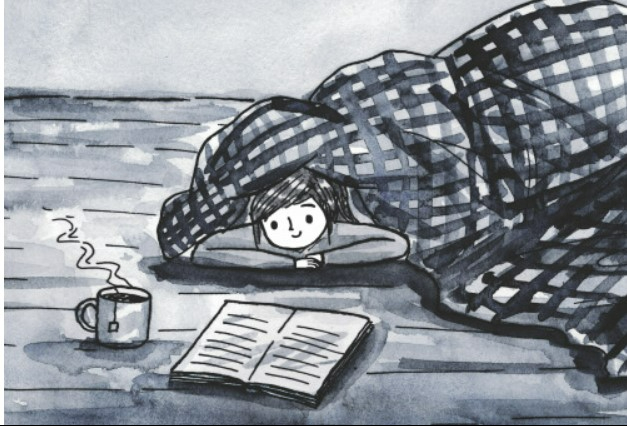
Kao guaha na un li’e’ i che’cho-ña si Debbie Tung? Ti hu tungo’ este na attista asta ki hu fåhan i lepblo-ña, “Guinaiyan Lepblo.” Gof kiñute i pinentå-ña siha! Malago’ yo’ pumula i che’cho’-ña sa’ siempre para u ayuda yo’ tumungo’ i lengguahen Chamoru. Mamula yo’ tres comics guini na post. Taitai yan gosa!

taitai mås