Everyday Speech: How to Say “Our Neighbor Totoro” in Chamorro

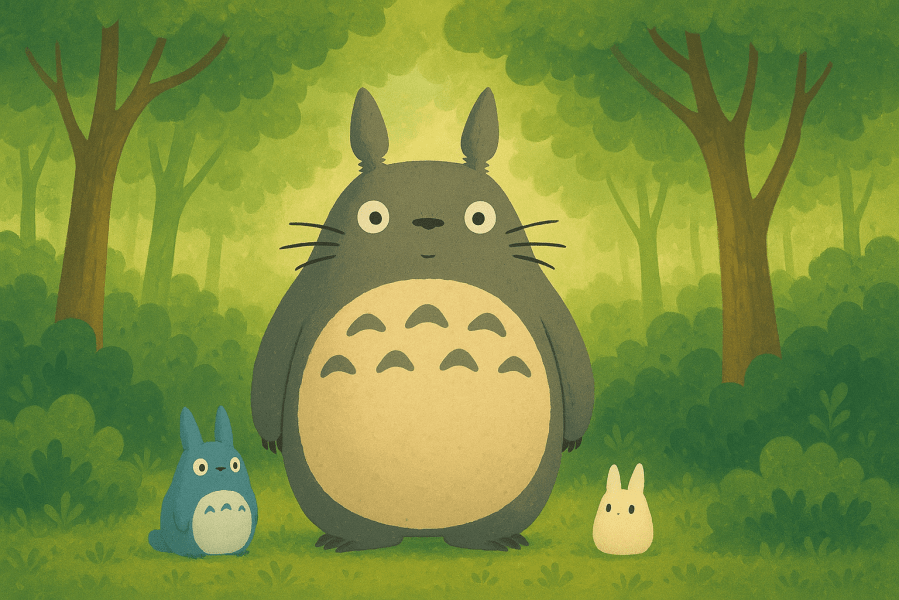
Sometimes when we talk about the people in our lives, we want to mention both their name and our relationship to them—like “My nephew Lathan” or “Our neighbor Totoro.” In Chamorro, there’s a specific way to express these kinds of phrases using the article as. In this post, we’ll practice this simple pattern that adds a subtle depth to everyday conversation. As always, you’ll find example sentences, English translations, and Chamorro audio narrations by Jay Che’le to guide your learning. Happy studying!

(Image Note: This is a Totoro-inspired AI illustration, generated for educational/non-commercial use on this blog).

Continue reading “Everyday Speech: How to Say “Our Neighbor Totoro” in Chamorro”

“The Rock Was Dragged”: Saying What Happened, Not Who Did It

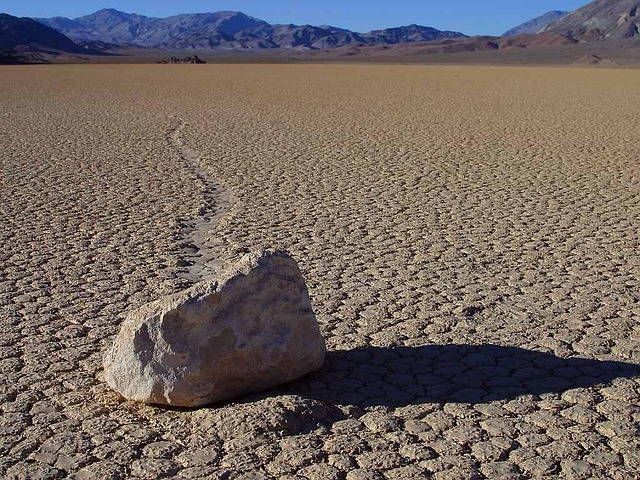
Ever wanted to say something happened—like “The child was found”; “I was hugged”; or “The cooking pot was taken”—but got stuck because you didn’t know how to say it without saying who did it? You’re not alone! In this post, we’re learning how to talk about actions when we don’t include the doer. This is actually a simple but powerful pattern that brings greater flexibility to our speaking and is foundational for adding a layer of complexity to our Chamorro language patterns. In this lesson, we’ll practice some basic sentence patterns and start understanding how to use contextual clues for translating the tense of these sentences.

As always, this post includes explanatory notes, example sentences, Chamorro audio pronunciations by Jay Che’le and English translations to guide your learning. Happy studying!

Continue reading ““The Rock Was Dragged”: Saying What Happened, Not Who Did It”

Learning “Don’t” in Chamorro, Part 2: Referencing Yourself With Mungnga’ – “Don’t Ask Me”

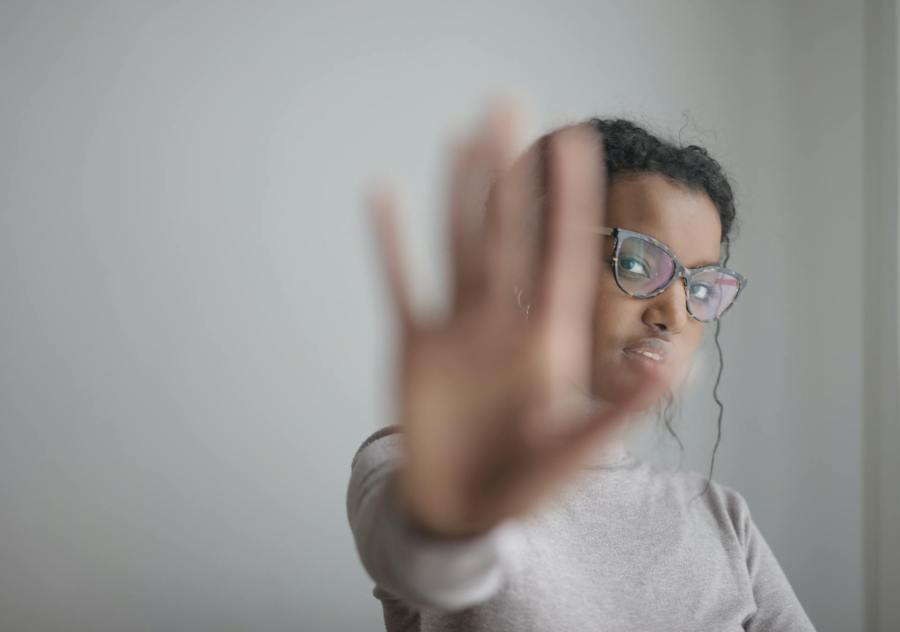
In part 2 of this mini-series on saying “don’t” in Chamorro, we’ll learn how to tell someone not to do something to you—for example, “Don’t talk to me”, “Don’t touch me” or “Don’t ask me.” We’ll still be using mungnga’ in this post, but with a slightly different speech pattern. And if you missed it, check out Part 1 of this blog series for a brief introduction on using mungnga’.

As always, this post includes example sentences, Chamorro audio narrations by Jay Che’le and English translations. Happy studying!

Continue reading “Learning “Don’t” in Chamorro, Part 2: Referencing Yourself With Mungnga’ – “Don’t Ask Me””

Learning “Don’t” in Chamorro, Part 1: Saying “Don’t Do That” with Mungnga’

Have you ever wanted to tell someone not to do something in Chamorro, such as “Don’t do that” or “Don’t touch it”? One Chamorro word you can use is mungnga’ —it’s how you can say “no,” “not,” or “don’t” when you’re stopping someone from doing something.

In this post, we’ll start learning about some of the ways mungnga’ works in Chamorro sentences. You’ll see examples like “Don’t touch it”, “Don’t eat that” and “Don’t say the answer” so you can start using them right away. For parents, learning mungnga’ is especially useful. You can start using it with your children to give gentle guidance, set boundaries, and practice Chamorro in everyday situations.

By the end, you’ll be able to build your own “don’t do…” sentences with mungnga’. As always, this post includes example sentences, Chamorro audio narrations by Jay Che’le and English translations. Happy studying!

Continue reading “Learning “Don’t” in Chamorro, Part 1: Saying “Don’t Do That” with Mungnga’”

Is Somebody Grilling The Meat? – Learn How to Say “Somebody Is Doing Something” in Chamorro

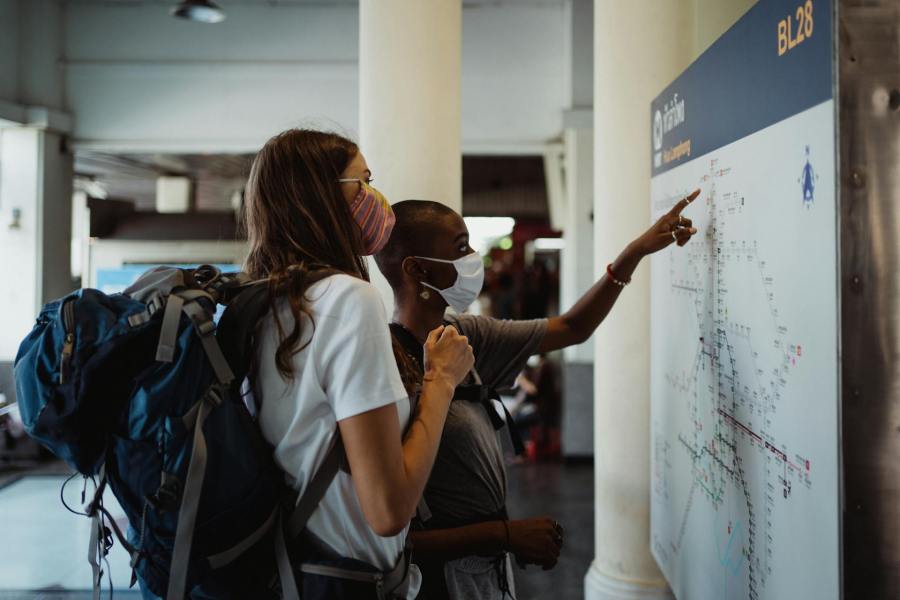
Ever want to say something like “There’s someone making soup” or “Somebody’s barbequing the chicken” in Chamorro? In this post, we’ll look at how to build these kinds of sentences step by step and learn simple patterns for talking about someone doing something, even when we don’t name the person. We will practice with a small selection of verbs, learn how to transform them, and practice using them in simple example sentences. As always, this post includes explanatory notes, example sentences in Chamorro, and Chamorro audio pronunciations by Jay Che’le to guide your learning. Happy studying!

Continue reading “Is Somebody Grilling The Meat? – Learn How to Say “Somebody Is Doing Something” in Chamorro”