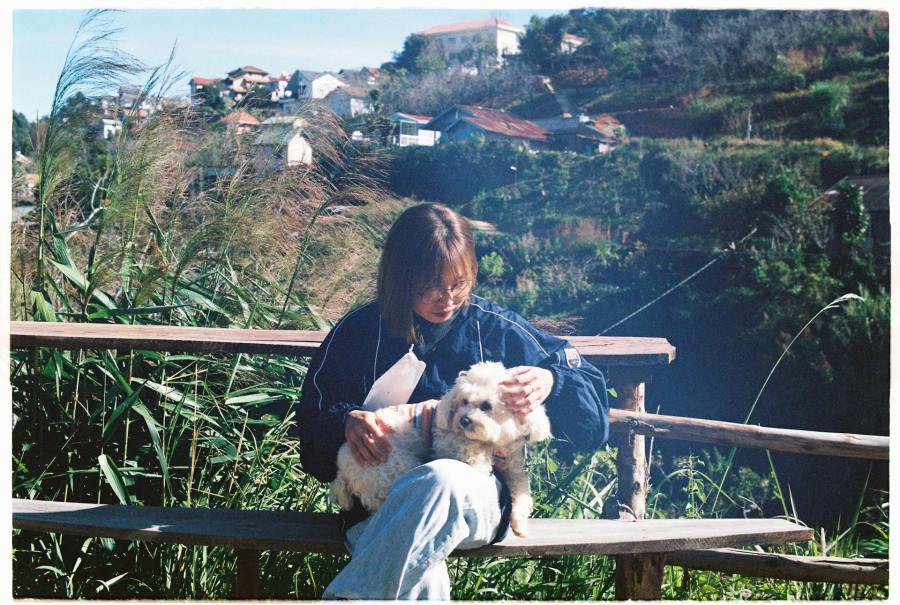
In this lesson, you’ll learn Chamorro patterns for talking about your animals and pets in Chamorro using the special classifier ga’-. By the end, you’ll be able to say phrases like “my dog,” “your cat,” and “Juan’s dog”, and be able to recognize these phrases when they are used in speech. As always, we’ve included Chamorro practice sentences, English translations, and Chamorro audio recordings by Jay Che’le to support your learning. Happy studying!
Contents
- Introduction to Talking About Our Pets
- How to Say “My Animal”
- How to Say “My Dog”
- How to Say “Juan’s Animal”
- How to Say “Juan’s Dog”
- Summary
- Keep Learning! (TBD) Continue to the Next Lesson
- Documentation & Further Study
Introduction to Talking About Our Pets
In Chamorro, when we talk about animals that belong to someone—like “my dog” or “their fish”—we use a special word called a classifier. This means that instead of attaching possessive pronouns directly to the animal, they are attached to the classifier.
The Chamorro animal classifier is ga’-, and we’ll be practicing with it throughout this lesson. We will learn patterns for saying the following:
- Talking about our pets in general (“My animal”)
- Getting specific about what kind of pets we have (“My dog”)
- Talking about other people’s pets (“Juan’s dog)
In the next section, we’ll start making our foundational phrases with possessive pronouns and ga’-.
How to Say “My Animal”
In this first section, we’ll practice using the ga’- classifier with the different possessive pronouns. This will form our foundation for the rest of the lesson.
To make these phrases, we simply attach a possessive pronoun after ga’-.
This is the pattern we will follow:
| ga’- + possessive pronoun |
The table below shows the different combinations:
| Chamoru | English |
|---|---|
| ga’-hu | my animal |
| ga’-mu | your animal |
| ga’-ña | her/his animal |
| ga’-miyu | your (plural) animal |
| ga’-ñiha | their animal |
| ga’-ta | our animal (inclusive) |
| ga’-måmi | our animal (exclusive) |
Great job! Now let’s build upon these foundational phrases and use them in complete sentences:
| Chamoru | English |
|---|---|
| Estague i ga’-hu. | This is my pet/animal. |
| Håfa i na’ån-ña i ga’-mu? | What is your pet’s/animal’s name? |
| Kuantus åños idåt-ña i ga’-ña? | How old is her pet/animal? |
| Sénmalåte’ i ga’-miyu. | Your pet/animal is very intelligent. |
| Bumurúruka i ga’-ñiha an puengi. | Their pet/animal is noisy at nighttime. |
| Ma li’e’ i ga’-ta gi hiyung guma’. | They saw our pet/animal outside of the house. |
| Bei na’chochu i ga’-måmi. | I will feed our pet/animal. |
❓Why Isn’t It Håyi Na’ån-ña? The example sentence for “What is your pet’s name?” uses the question word håfa instead of håyi because håyi is used for asking about people, while håfa is used for nonhumans.1
Now that we’ve made some sentences with our foundational phrases, in the next section we’ll start to get more specific and make phrases such as “my dog” or “your cat.”
How to Say “My Dog”
Now we will learn the patterns to be more specific, and say “my dog” instead of just “my pet” or “their animal.”
To make these phrases, we add the word for the specific animal after our “ga’-” phrase.
We’ll follow this pattern:
| [ga’- + possessive pronoun] + animal |
To get used to this pattern, let’s practice variations on the phrase ga’-hu (“my animal/pet”) in the table below:
| Chamoru | English |
|---|---|
| ga’-hu ga’lågu | my dog |
| ga’-hu katu | my cat |
| ga’-hu guihan | my fish |
| ga’-hu konehu | my rabbit |
| ga’-hu paluma | my bird |
Now that we’ve practiced this basic pattern, let’s modify the sentences from the previous section and be specific about the animal. These new additions are shown in bold in the table below:
| Chamoru | English |
|---|---|
| Estague i ga’-hu ga’lågitu. | This is my puppy. |
| Håfa i na’ån-ña i ga’-mu chiba? | What is your goat’s name? |
| Kuåntus åños idåt-ña i ga’-ña loru? | How old is her parrot? |
| Sénmalåte’ i ga’-miyu ga’lågu. | Your dog is very intelligent. |
| Bumurúruka i ga’-ñiha katu an puengi. | Their cat is noisy at nighttime. |
| Ma li’e’ i ga’-ta paluma gi hiyung guma’. | They saw our bird outside of the house. |
| Bei na’chochu i ga’-måmi guihan. | I will feed our fish. |
Great job! In the next section, we’ll learn how to refer to specific people’s pets, such as “Juan’s pet” or “Rita’s pet.”
How to Say “Juan’s Animal”
If we want to talk about specific people’s pets or animals, there are two patterns we can use. In this section, we’ll practice both of these patterns.
The first pattern we’ll practice is the shortest of the two. To make this pattern, we put a person’s name after ga’-.
Let’s practice with the pattern below:
| ga’- + person’s name |
Now let’s look at some examples of this pattern in the table below:
| Chamoru | English |
|---|---|
| ga’Juan | Juan’s pet/animal |
| ga’Rita | Rita’s pet/animal |
| ga’Chåro | Chåro’s pet/animal |
| ga’Chumbai | Chumbai’s pet/animal |
| ga’Maria | Maria’s pet/animal |
📝Different Translations: The phrase ga’Juan can translate to “animal belonging to Juan”, “Juan’s animal” or even “animal of Juan”. In everyday speech we may use these phrases to refer to our pets, but they can also be used to refer to other animals that belong to us that aren’t pets, such as livestock.
Great job! Now we’ll learn the second pattern, which involves using the possessive pronoun -ña.
In this pattern, we use the phrase ga’-ña (“his/her animal”) and follow it with si and the person’s name.
The word order is shown below:
| ga’-ña + si + person’s name |
And let’s do some drills with this pattern in the table below:
| Chamoru | English |
|---|---|
| ga’-ña si Juan | Juan’s pet/animal |
| ga’-ña si Rita | Rita’s pet/animal |
| ga’-ña si Chåro | Chåro’s pet/animal |
| ga’-ña si Chumbai | Chumbai’s pet/animal |
| ga’-ña si Maria | Maria’s pet/animal |
Now let’s modify some of our sentences from the previous section with these new phrases:
| Chamoru | English |
|---|---|
| Estague i ga’Juan. | This is Juan’s pet. |
| Håfa i na’ån-ña i ga’-ña si Rita? | What is Rita’s pet’s name? |
| Kuåntus åños idåt-ña i ga’Chåro? | How old is Charo’s pet? |
| Sénmalåte’ i ga’-ña si Chumbai. | Chumbai’s pet is very intelligent. |
| Bumurúruka i ga’Maria an puengi. | Maria’s pet is noisy at nighttime. |
Great practice! In the next and final section, we’ll learn how to get more specific and say things like “Juan’s dog” or “Rita’s parrot”.
How to Say “Juan’s Dog”
In this final section, we’ll learn how to make phrases about specific people’s pets or animals, such as “Juan’s dog” or “Chåro’s parrot.”
This is the pattern we will practice:
| [ga’-ña + animal] + si + person’s name |
Before we make full sentences, let’s practice some phrases in the table below. We’ll use the name si Juan in all the examples, to get a clear sense of the pattern:
| Chamoru | English |
|---|---|
| ga’-ña ga’lågitu si Juan | Juan’s puppy |
| ga’-ña chiba si Juan | Juan’s goat |
| ga’-ña loru si Juan | Juan’s parrot |
| ga’-ña ga’lågu si Juan | Juan’s dog |
| ga’-ña katu si Juan | Juan’s cat |
Now let’s use these phrases in some our previous sentences:
| Chamoru | English |
|---|---|
| Estague i ga’-ña ga’lågitu si Juan | Here is Juan’s puppy |
| Håfa i na’ån-ña i ga’-ña chiba si Rita? | What is Rita’s goat’s name? |
| Kuåntus åños idåt-ña i ga’-ña loru si Chåro? | How old is Chåro’s parrot? |
| Sénmalåte’ i ga’-ña ga’lågu si Chumbai. | Chumbai’s dog is very intelligent. |
| Bumurúruka i ga’-ña katu si Maria an puengi. | Maria’s cat is noisy at nighttime. |
And that wraps up this lesson – great job!
Summary
In this lesson we learned Chamorro patterns for talking about animals that belong to us. We practiced using the Chamorro classifier ga’- with possessive pronouns to make general statements (“my pet/animal”), to get more specific about what kind of animals we own (“my dog”) and to talk about other people’s pets (“Juan’s dog”).
Keep Learning! (TBD) Continue to the Next Lesson
Stay tuned for the next and final lesson in this beginner series on possessive statements in Chamorro, where we’ll learn about how to talk more generally about the things that belong to us with the classifier iyo.
Documentation & Further Study
Notes
- Sandra Chung, Chamorro Grammar (2020), 192. ↩︎
References
Chung, S. (2020). Chamorro grammar. http://dx.doi.org/10.48330/E2159R Retrieved from https://escholarship.org/uc/item/2sx7w4h5
Topping, D. M., & Dungca, B. C. (1980). Chamorro Reference Grammar (PALI Language Texts―Micronesia). University of Hawaii Press.
Topping, Donald M. Spoken Chamorro: With Grammatical Notes and Glossary (Second Edition). University of Hawaii Press, 1980.
Further Reading
Topping, D. M., & Dungca, B. C. “Possessive Nouns.” In Chamorro Reference Grammar, 222-224. Honolulu: University of Hawaii Press, 1973.
Topping, D.M. “GRAMMAR NOTES.” In Spoken Chamorro: With Grammatical Notes and Glossary (Second Edition), 36-37. Honolulu: University of Hawaii Press, 1980.
 Lengguahi-ta
Pingback: Lesson 34: Talking About Your Beverages in Chamorro – “My Water” – Lengguahi-ta