Chamorro Concepts and Sayings part 1

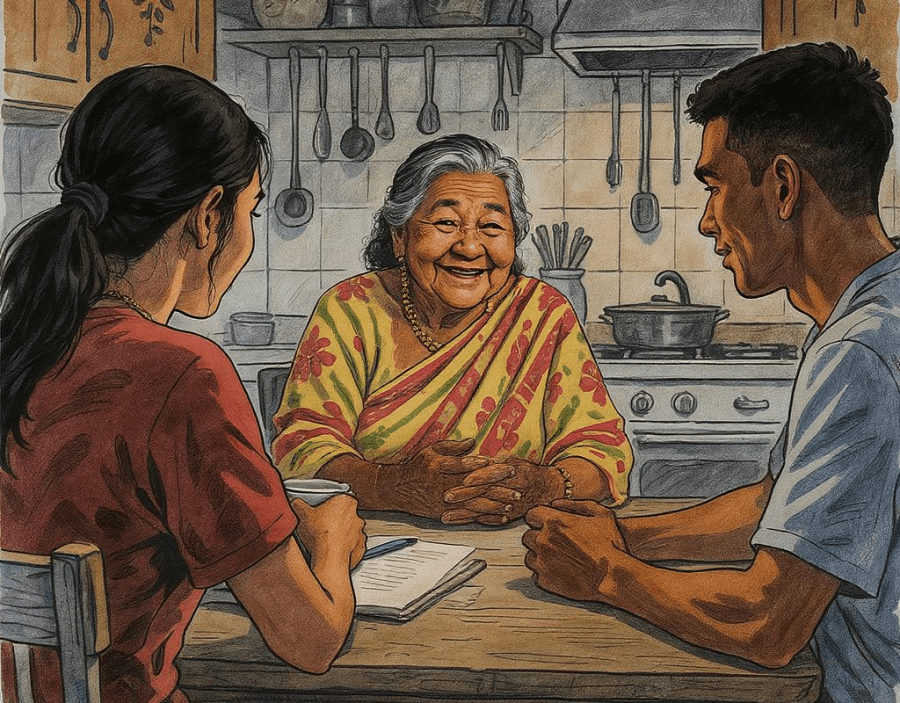
This week, we continue with materials that align to the topics that our practice group wanted to focus on reading. These are selections from Volume 2 of Ginen i Hila’ i Mañaina-ta, the Chamorro Cultural Dictionary publication from the Kumisión i Fino’ CHamoru. The full texts are available through the Commission’s website, but we’ll read today about two common sayings: “Tomorrow is not yours” and “Marry and rest.” You’ll find the Chamorro text and an English translation, along with audio narration from Jay Che’le. Happy reading!

Continue reading “Chamorro Concepts and Sayings part 1”

The Amazing Gådao

Håfa adai everyone! It has been a quiet 3 weeks here on the blog and in our practice groups, as Jay and I were in Japan for a martial arts training camp with his dojo. Being able to train and sightsee in Japan was an incredible experience, but we are definitely missing the weekly gatherings with our Chamorro learning community. We are finally home and will be starting up our Saturday morning practice group with this Chamorro legend about how Gådao – traditionally from the village of Inalåhan – became the highest of all chiefs on the southern part of Guahan. We found this version in the UOG Digital Archives and Exhibitions collection. This post includes the legend in Chamorro, an English translation, and a Chamorro audio narration by Jay Che’le. Happy reading!

(Updated 8-June-2025 with notes from our Saturday morning practice session.)

Continue reading “The Amazing Gådao”

How Customs Were

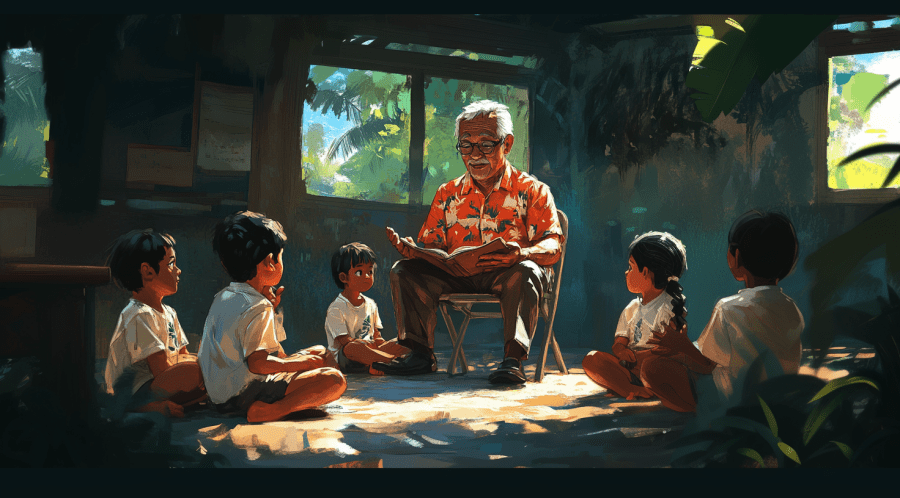
Our practice group recently voted on the kind of content that we’re interested in reading. Two themes came out on top: History and Culture, and this week’s story brings us a bit of both. It’s a short piece from the bilingual education programs of the Northern Marianas that gives a narrative account of Mr. Enrique N. Kisa’s reflections on the past and thoughts on changes he was seeing in the late 1970s. This post includes the Chamorro text, the English translation, and a Chamorro audio narration by Jay Che’le. Happy reading!

Continue reading “How Customs Were”

Is Somebody Grilling The Meat? – Learn How to Say “Somebody Is Doing Something” in Chamorro

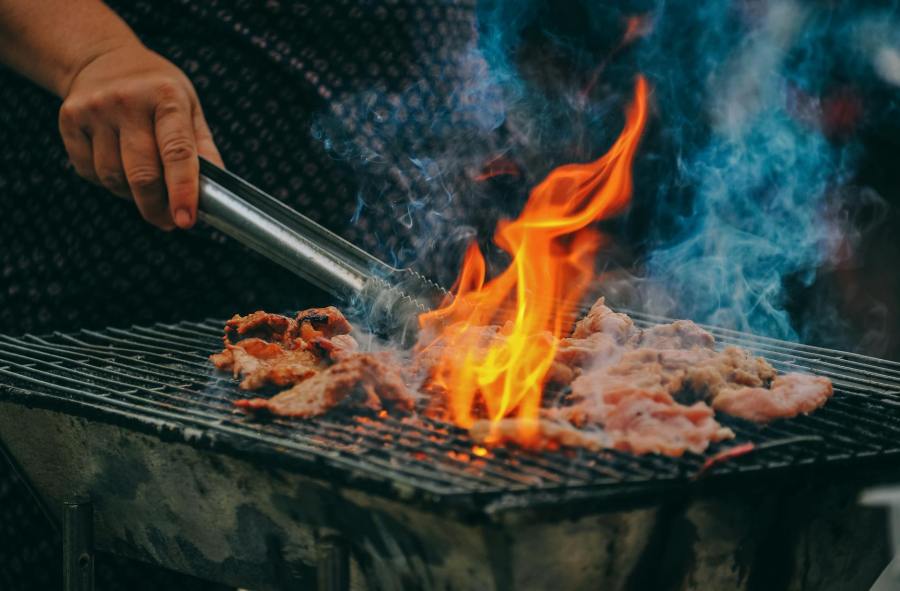
Ever want to say something like “There’s someone making soup” or “Somebody’s barbequing the chicken” in Chamorro? In this post, we’ll look at how to build these kinds of sentences step by step and learn simple patterns for talking about someone doing something, even when we don’t name the person. We will practice with a small selection of verbs, learn how to transform them, and practice using them in simple example sentences. As always, this post includes explanatory notes, example sentences in Chamorro, and Chamorro audio pronunciations by Jay Che’le to guide your learning. Happy studying!

Continue reading “Is Somebody Grilling The Meat? – Learn How to Say “Somebody Is Doing Something” in Chamorro”

Talking About Togetherness in Chamorro: How to Say “We Were Together” and More

Whether you’re reminiscing about time with family, expressing gratitude for a gathering, or even writing your next love song, these all involve talking about being together with others. In this post, we’ll learn how we can talk about togetherness in Chamorro, including expressing thoughts in the past, present and future tenses. You’ll also find Chamorro example sentences, Chamorro audio narrations by Jay Che’le, and English translations to guide your learning. Happy studying!

Continue reading “Talking About Togetherness in Chamorro: How to Say “We Were Together” and More”