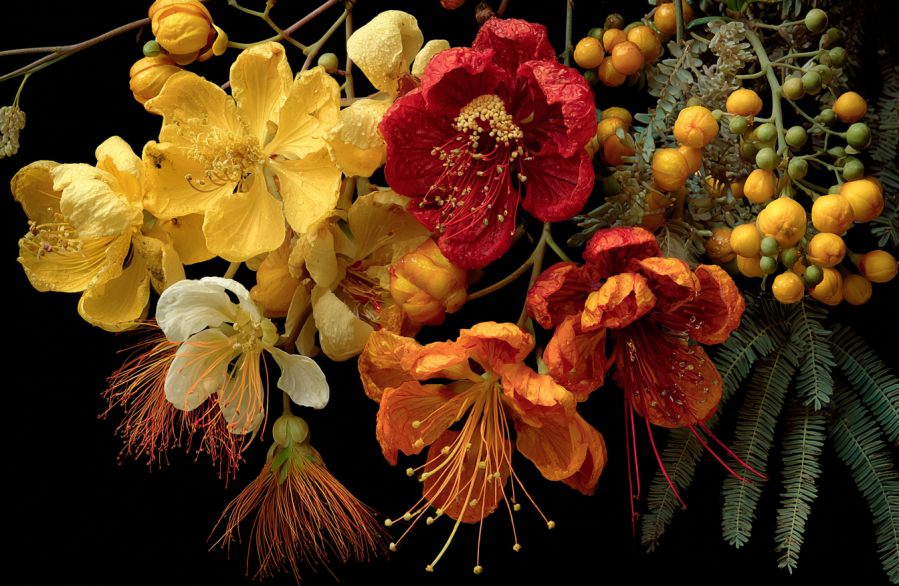
For this week’s Saturday morning practice group, we will continue reading through the plant book that we’ve used the past two weeks. This book was found in the KPV Collection and has a number of short, interesting comments on flowering plants. But as a reminder, if you want even more about plants found on the Mariana Islands, you can check out the book Trees and Shrubs of the Mariana Islands, available from UOG Press.
In this post we have the Chamorro text, an English translation, and a Chamorro audio narration by Jay Che’le for the last five plants found in the book Tinanom Siha Giya Guam by Carmen C. Blas. Happy reading!
Tinanom Siha Giya Guam
Tinige’ as Carmen C. Blas
Pinentan as Lita Payne yan Richard Duke
KANIFESTULA
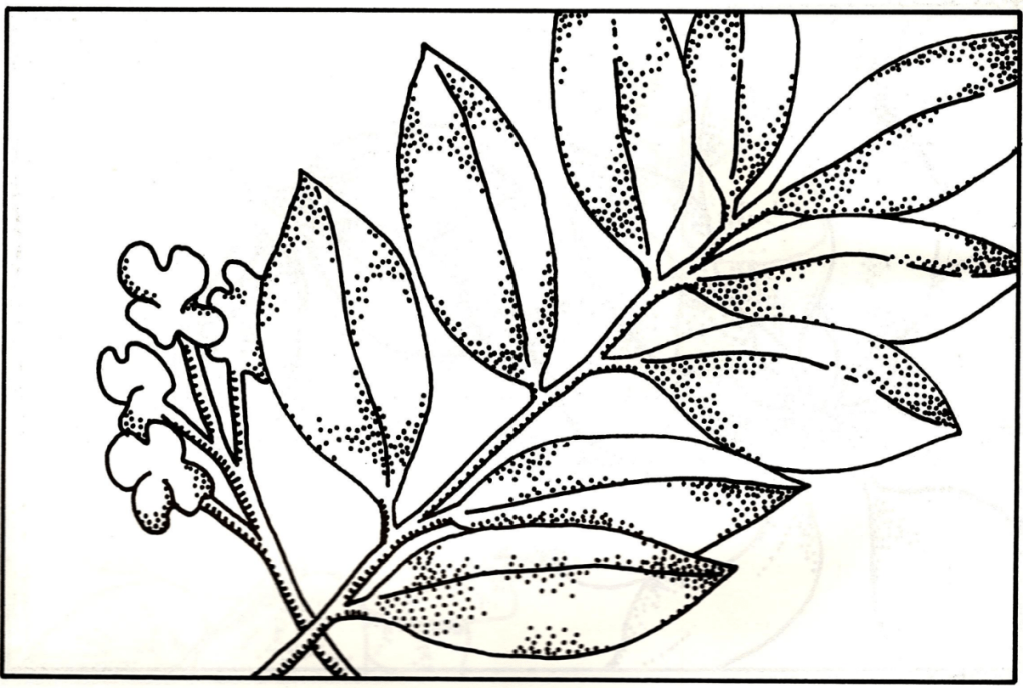
Este na trongkon håyu, unu gi mås bunitu ni’ manflóflores giya Guam. Mana’ fåtto este na tinanom ginen India. Ti guiya i gof dångkolo este na hayu. Manádopble hagon-ña ya manakadidok punta-ña. Aridondo bainå-ña ya gof kulot chikulati yanggen måsa. Guaha na disisais putgådas inanakko’-ña.
Manamariyu flores-ña ya guaha nai kalan ubas guatu i ramås-ña. Mafa’nána’an este na tinanom guini giya Guam “kanifestula pat golden shower”. Gof umaya este na na’an yanggen mamoddong i flores-ña ya mama’atfombra gi papa trongko.
Manflóflores este na trongkon håyu gi Abrit, Måyu yan Hunio yan guaha ha’ lokkue’ na humånanao ha’ i flores-ña esta i tiempon somnak. Guaha este na tronkon håyu gi fi’on i Plasan Skinner giya Hagåtña.
TRONGKON MAMES
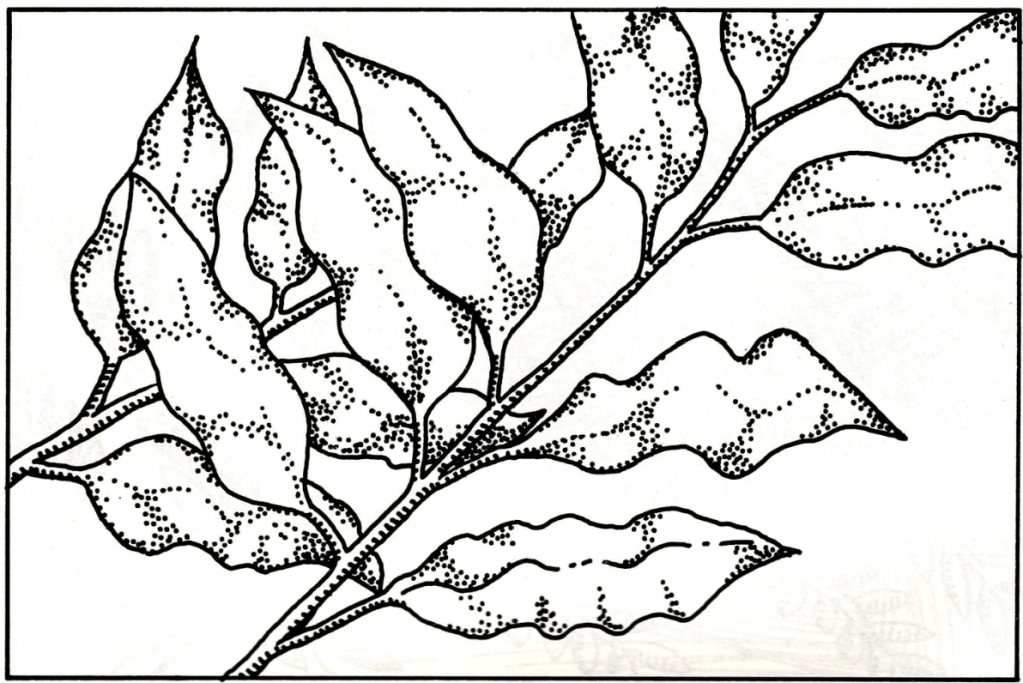
Este na trongko ginen i sanhaya giya Amerika ya ma introdusi Guam abmam na tiempo tåtte. Gof maolek na trongko para nuhong sa’ gof bunitu pinidong-ña i hagon yan i råmas. Ayu mås na matanom este na trongkon håyu. Dångkolo yan chomchom hagon-ña ya ha dódopbla gue’ yanggen pupuenge pat homhom i ha’åni. I hagon-ña este na trongkon håyu pópodong yanggen fañumnagan.
Åntes di u podong todu i hagon-ña esta manhúhuyong ta’lu i man nuebu. Guaha bi’ena-ña este na trongkon hayu. Gof åtilong lao gof mames i bi’ena-ña. Manflóflores kulot de rosa ya gof bunitu guatu i flores kontra i betde na hagon. Humúhuyong i flores-ña gi Abrit na mes.
I trongkon mames pat Monkey Pod ma’u’usa giya Filipinas yan Hawaii para mafa’obras. Bula este na trongkon håyu gi fi’on i offisinan i gobi’etno yan i me’nan i Post Office giya Hagåtña.
ATBOT DEL FUEGU
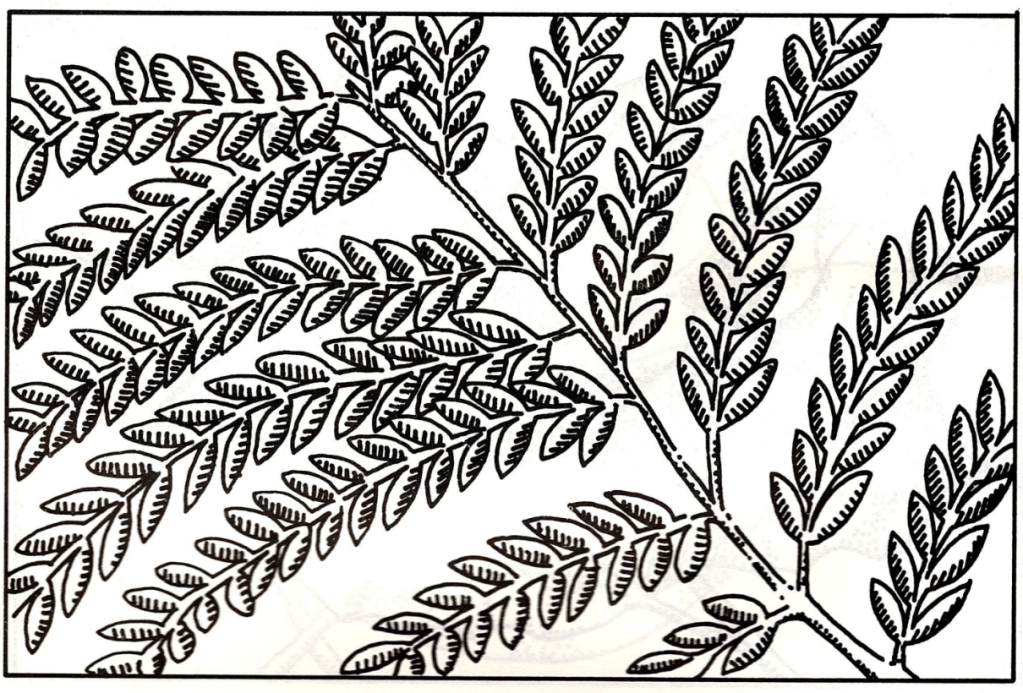
Este na trongkon håyu meggai na’an gi fino’ Engles. Este siha mafa’nána’an, Flame tree, Royal Ponciana, yan Flamboyant. Este na trongkon håyu gógof dångkolo. Guaha nai kahulo’ ha’ chiña gi kuarenta pi’e dinangkolo-ña ya ocho pot dies pi’e linido’-ña. Gof finu i madibiden i ohas i hagon-ña ya i inanakko’-ña guaha ocho putgådas esta i dies putgådas. I kulot i flores-ña guaha nai gof agaga’ pat kulot kåhet. Manbábaina este na trongko i tinekcha’-ña yan måtto i tiempon somnak pat fañumnagan ya man floflores gi Mayu pat Huñio na mes. Meggai este na trongkon håyu guini giya Guam pi’ot ha’ i Plåsa de España yan i kånton tåsi giya Ipao yan lokkue’ meggai gi kånton chalan siha.
GÅGU
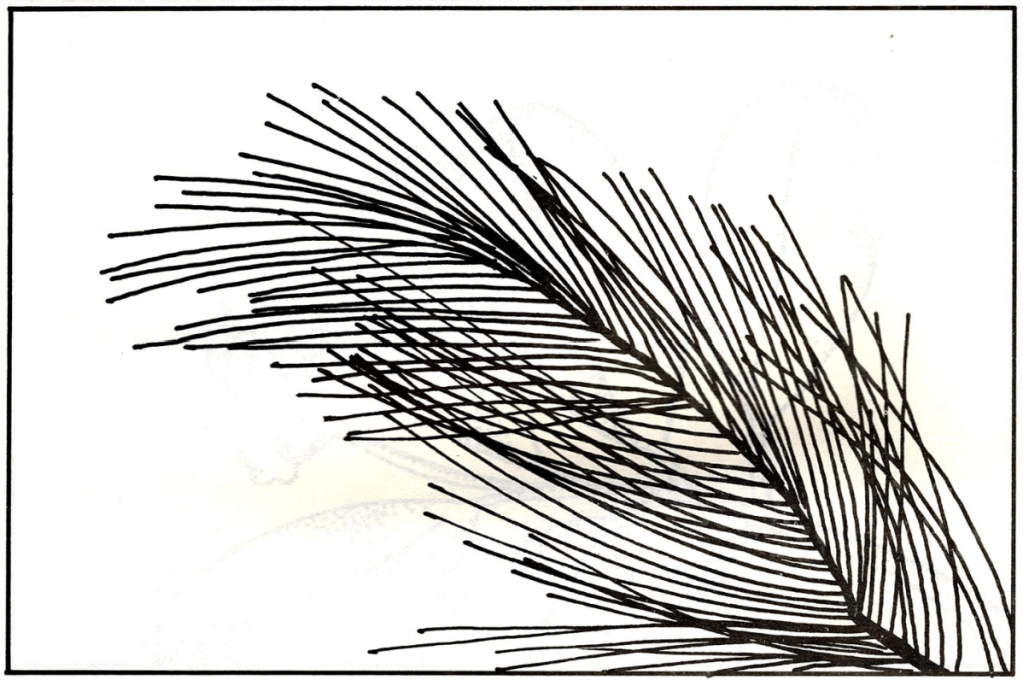
Este i gågu na trongkon hayu mafa’nána’an iron wood gi fino’ Engles. Este na tinanom kalan pinu lao åhe’ ti pinu. Ayu i mandíkike’ na kalan tinekcha’ pinu ayu flores-ña i gågu.
Man gof dalalai hagon-ña kalan ha’ haguha. I finu na hagon-ña kalan ramiyiten pinedong-ña. Gof meggai este na tinanom Guam, gi guma’ taotao siha yan lokkue’ i fina’ ekso’ pi’ot ha’ entalo’ Humåtak yan Hågat.
DA’OK
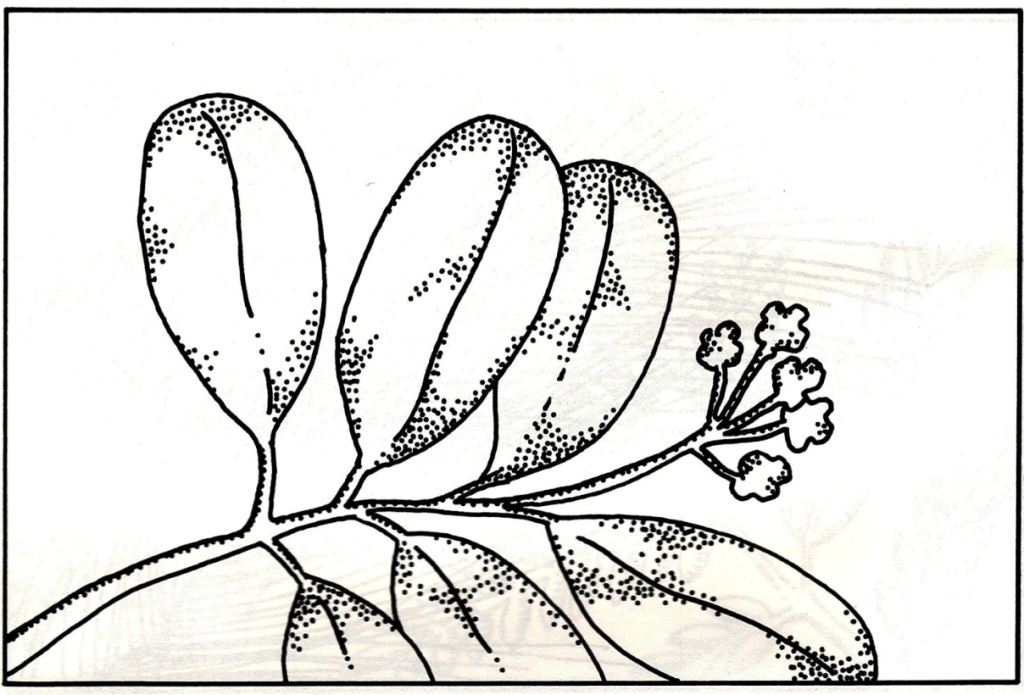
“Palo Maria” kumeke-ilek-ña båston Maria. Este na’an lokkue’ gi fino’ Españot. I na’an-ña este na trongko i “Da’ok”. I hagon-ña obalao ya kalan madespunta yan lokkue’ gof tisu yan potpot ya gof annok i kusturan i hagon gi talo’. Betde yan aridondo i frutå-ña ya mana’kalaye’ papa’ gi ramås-ña. Å’paka’ flores-ña ya gof paopao.
Binenu este frutå-ña ya ti siña makånno. Bula este na tinanom giya Hagåtña gi kånton i Marine Drive.
Plants on Guam
Written by Carmen C. Blas
Illustrated by Lita Payne and Richard Duke
GOLDEN SHOWER
This tree is one of the most beautiful flowering trees on Guam. This plant was brought from India. It’s not a very big tree, this one. The leaves double-up and are pointed. Its pods are rounded and very brown when ripe. Sometimes they are sixteen inches long.
Its flowers are yellow and are sometimes like grapes on its vines. Here on Guam, this plant is called “kanifestula” or “golden shower.” This name suits it well when the flowers fall and appear like a rug beneath the tree.
This tree flowers in April, May, and June, and sometimes the flowers last until summer. This tree is near Skinner’s Plaza in Hagåtña.
MONKEY POD OR RAIN TREE
This tree is from South America and was introduced to Guam a long time ago. It’s a very good tree for shade because the leaves and branches fall beautifully. That’s usually why this tree is planted. Its leaves are big and full and fold in at night or on dark days. The leaves of this tree fall when it’s summer.
Before the leaves fall, the new ones are already coming out. This tree has a pod. Its pods are very black but very sweet. It flowers in pink and the color is very beautiful against the green leaves. Its flowers come out in the month of April.
The sweet tree or Monkey Pod is used in the Philippines and Hawaii for crafts. There are many of these trees near the governor’s office and in front of the Post Office in Hagåtña.
FLAME TREE
This tree has many names in English. They are called Flame tree, Royal Ponciana, and Flamboyant. This tree is very large. Sometimes it reaches up to forty feet tall and eight or ten feet wide. Its leaves are divided very finely and are eight to ten inches long. The flowers are sometimes very red or orange. The fruit pods of this tree come during summer and it flowers in the month of May or June. There are many of this tree here on Guam, especially at the Plaza de España and the beach at Ipao and alongside many roads.
IRONWOOD
The gågu tree is called iron wood in English. This plant is like a pine, but it isn’t a pine. The small things that look like pine fruit are its flowers.
Its leaves are very skinny, like needles. Its fine leaves fall like a bouquet. There are a lot of these plants on Guam, at people’s houses and on hills, especially between Humåtak and Hågat.
PALO MARIA
“Palo Maria” means Maria’s cane. This name is Spanish. This name of this tree is the “Da’ok.” Its leaves are oval and blunted, and they’re also very stiff and thick, and the rib of the leaf is very visible in the middle. Its fruit is green and round, and they hang down from its branches. Its flowers are white and very fragrant.
Its fruit is poisonous and cannot be eaten. There are lots of this plant in Hagåtña along Marine Drive.
Source
Blas, Carmen C. (1977). Tinanom Siha Giya Guam. [PDF]. https://airtable.com/appU43QeD409YS6Hl/shrXhl6F1kRn9xx1H/tblQeLirqavda9h6P/viwh0oCoEpAZEH4XG/rec4dVf2XYbOLKu8x/fldWSwclEvY9lGVlu/attqxNZxSAfTCc3I5?blocks=hide
 Lengguahi-ta