This was a lovely story that I found on Påle’ Eric Forbes’ blog called Estorian Reinhold Mangloña which was told to Påle’ Eric by Richie Mangloña, who heard it from his father Reinhold Atalig Mangloña , who heard it from his Japanese teacher when he was growing up on Luta. We read this story together in one of our Chamorro-language practice groups, and everyone really enjoyed it. The story’s moral of respecting elders gave us all satisfaction, and the Chamorro stretched some of our brains, helping us to learn new vocabulary.
This post includes the Chamorro text with modified spelling, the English translation, and an audio narration by Jay Che’le, since Påle Eric’s original blog post for this story did not include a narration. Enjoy!
Estorian Reinhold Mangloña
Sinangan as Richie Mangloña
Tinige’ as Påle’ Eric Forbes
Gi tiempon antigu giya Hapon, eståba ti manmagefpo’lu’ i manåmko’-ñiha komu manggaibåli osino manmalåte’. I manaotao Hapones sesso manmafa’tinåsi kuåtto i manåmko’-ñiha gi santatten guma’ pat gi la’chågo’ ginen i gima’-ñiha putno u fanma’atendin maolek sa’ ma po’lu na esta meggai-ña estotbun-ñiñiha ki todu i prubechu.
Pues guaha un familia mañåsaga Hokkaido’. I tåta as Mitsuro, i nåna as Mikki, i hagan-ñiha as Eiko yan si nånan-biha as Mio. Ma na’såsaga si nånan-biha gi dikiki’ na kuåtto gi tatten-guma’.
Un diha sigi umessalao i taotao i Impiradot na para u guaha kumpitensia para todu i famagu’on eskuela ya i håyi gumånna para u ma nå’i dångkulu na premiun salåpe’! Magåhet si Mitsuro sumen popble ya ha tåtanga na puedi u gånna i hagå-ña i premiu komu ha na’saonao gi kumpitensia!
En fin humalom i påtgon Mitsuro gi kumpitensia ya manmanå’i hafa para u ma cho’gue. I kuestion nai manmapresenta i famagu’on ilek-ña, “Haftaimanu nai siña en na’halom i hilun manlaksi gi este i gaimaddok na alamli nai ma chaflilik gi todu direksion ya para un na’huyong gi otro banda?” Ha chagi i påtgon todu i tiningo’-ña lao ti siña ha na’adotgan i hilu ginen i un måddok esta i otro. Ni si Mitsuro yan i asagua-ña ti ma tungo’ taimanu para u ma cho’gue este na chagi. Esta ma po’lu na imposipble este para u ma cho’gue ya mantriste i familia sa’ ma hasso na ti siña ma gånna i premiu.
Pues annai manmatata’chong gi kusina mañochocho un ogga’an, ha ripåra si Eiko na mangguaguasan si nånan biha gi hiyong i kuatto-ña gi la’chågo’ na distansia. Ilek-ña, “Nangga ya bai faisen si nanan-biha kao ha tungo’ taimanu nai siña ta na’adotgan este i hilu guini na alamli.”
Manoppe ha’ si Mitsuro, “Esta ennao i biha maleffa, hafa gue’ ennao tiningo’-ña!”
Ti manosgi si Eiko, ha bisita guato si bihå-ña ya ha faisen. Ilek-ña si Mio, “Ai iha na linibiåno ennao i finaisesen-mu. Fan aligao oddot agaga’ ya un godde i tataotao-ña nai hilun manlaksi. Na’hålom gi halom i måddok pues po’luyi asukat i otro banda sa’ siempre ha tattiyi i pao asukat ya humuyong gi otro bånda!”
Ha cho’gue si Eiko i tinago’ i biha ya magahet macho’cho’! Ha håla magahet i oddot i hilu ginen i un båndan i alamli esta i otro banda! Sumen magof si Eiko! Måtto i ha’ane para u ma presenta i famagu’on håfa ineppen-ñiha guato gi Impiradot! Meggai chumagi manmanna’i ineppe lao ti kumfotmi i Imperadot. Annai måtto tarehå-ña si Eiko, ha fa’nu’i i Imperadot taimanu macho’gue-ña. Mampos manman i Imperadot ya ha faisen i påtgon, “Kao hågu ha’ este humasso para un cho’gue pat ma ayuda hao?”
Ti ya-ña si Eiko mandagi pues ilek-ña, “Ahe’, si bihå-hu yu’ fuma’nå’gue!”
Annai ha tungo’ i Imperadot na ayu i un biha sumåtba i finaisen-ña na kuestion, ha rialisa na lachi eyu na hinengge i para u fanmachachanda i manåmko’! Ginen eyu na tiempo, ha otdin na debi todu i manåmko’ Hapon u fanma’atiendin maolek ya u fanmasetbe komu siha kumåkatga i ancho na kinimprende. Magof si Eiko’ annai mansiha yan si Nånan-biha ta’lo gi halom guma’ ya kada diha ha atende komu guiya i tesorun i familia!
The Story of Reinhold Mangloña
Told by Richie Mangloña
Written by Father Eric Forbes
In ancient times in Japan, they did not really consider their elderly as having any worth or else as being intelligent. Japanese people often made rooms for their elderly in the rear of the house or farther away from their houses so as not to attend to them well because they considered that they were more of a bother rather than a benefit. So there was a family living in Hokkaido. Mitsuro was the father, Mikki the mother, Eiko their daughter and Mio the grandmother. They housed grandmother in a small room behind the house.
One day the Emperor’s people kept shouting that there was to be a contest for all the school children and whoever won would be given a large prize of money! Truly Mitsuro was very poor and he wished that perhaps his daughter would win the prize if he made her participate in the contest!
At last Mitsuro’s child entered the contest and they were given what they were to do. The question which was presented to the children said, How can you put the sewing thread into the hole of this wire which twists in all directions so that you make it come out on the other side? The child tried with all her knowledge but could not run through the thread from one hole to the other. Not even Mitsura and his wife knew how to do this attempt. They already figured that this was impossible to do and the family was sad because they thought that they couldn’t win the prize.
So when they sat down eating in the kitchen one morning, Eiko noticed that grandmother was trimming outside her room at a far distance. She said, “Wait and I will ask grandmother if she knows how it is possible for us to push the thread through the wire.”
Mitsuro answered, “The old lady already forgot that, what does she know about that!”
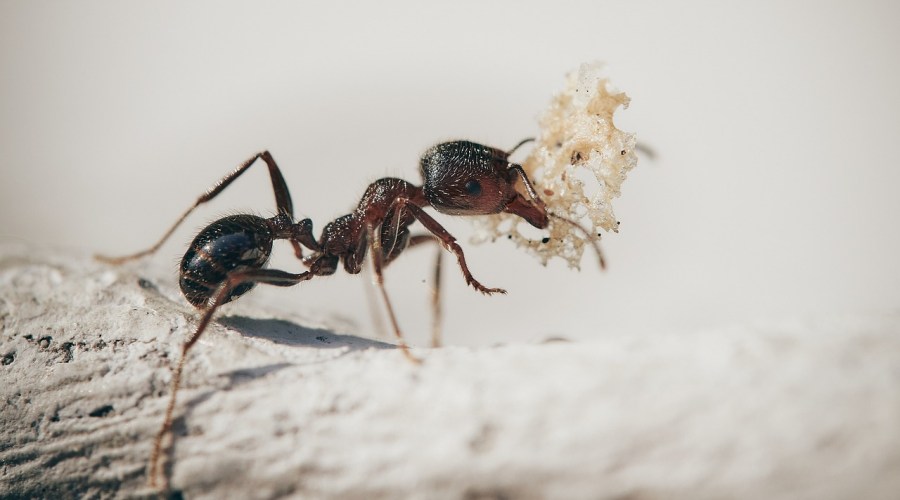
Eiko didn’t obey, and she visited her grandmother and asked her. Mio said, “Oh daughter what you are asking is so easy. Look for red ants and tie its body with the sewing thread. Put it through the hole then put sugar for it on the other side because for sure it will follow the smell of sugar and go out the other side!”
Eiko did grandmother’s instruction and it truly worked! The ant really pulled the thread from one side of the wire to the other side! Eiko was really happy!
The day came for the children to present their answer to the Emperor! Many tried to give an answer but the Emperor didn’t agree. When it came to Eiko’s turn, she showed the Emperor how it is done. The Emperor was really amazed and asked the child, “Was it only you who thought of doing this or were you helped?”
Eiko didn’t like to lie so she said, “No, my grandmother taught me!”
When the Emperor knew that it was one old lady who solved the question he asked, he realized that it was wrong thinking to be rejecting the elderly! From that time, he ordered that all the elderly of Japan were to be attended to and served well as being the ones who carried broad understanding. Eiko was happy when she was together again with grandmother in the house and she took care of her as being the treasure of the family!
 Lengguahi-ta