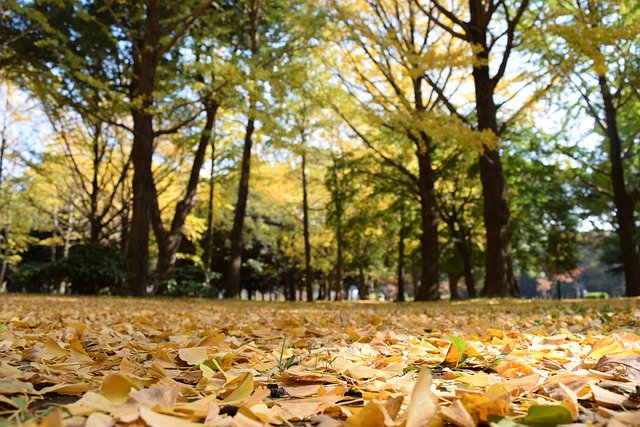
Mamokkat yu’ para i halom tano’ gi Damenggo. Esta monhåyan i fañomnagan giya Western Washington. Ya-hu i fresko na aire. Gefpågo i kulot siha gi halom tåno’ lokkue’. Lao mahålang yu’ as pao fruta gi aire ginen adotse siha. Estague i po’ema-hu put adtose siha ginen fañomnagan. Hu tuge’ este para klås fino’ Chamoru. Manrisibi yu’ inayudon ginen estudianten Ponidera siha lokkue’. Hu gof agradesi siha.
To wrap up our series on creating basic descriptive sentences in Chamorro, we’ll start practicing how to combine sentences to express longer thoughts. We’ll do this by connecting ideas with “not,” “but,” and “because” in a single thought, giving us a clearer sense of how much we can expand our basic sentences with these small but powerful words. Happy studying!
Now it’s time to create more complex descriptions by describing nouns with adjectives, so we can say things like The child is tired or The woman is happy. We can also describe nouns with other nouns with sentences like The man is a teacher or The teacher is a singer. To make these types of sentences in Chamorro, we need to understand how the word order differs from English. We will also learn the article i and its accompanying vowel harmony rules, which dictate how sounds change to make our speech smoother. This post includes explanatory notes for these concepts, practice drills for vowel harmony, Chamorro sentences, English translations, audio pronunciations, and a Quizlet Deck for additional practice. Happy studying!
Here is a poem inspired by the rain. The mornings are dark again here in Western Washington and after a summer of practically no rain, the sky is dumping water on us. Although I prefer sun and warmth, the rainy gloom has its charming qualities too.
Today is officially the first day of fall, but the weather has been changing steadily for the past week or so. This morning I felt inspired by the changing of seasons and wrote a few poems. This first small poem is for the trees losing their leaves.




 Lengguahi-ta